Preston has no shortage of characterful housing. Victorian terraces, interwar semis, post-war builds and the odd converted property all sit side by side. They look solid enough from the street, and many of them are. Still, age has a habit of catching up with roofs in ways that aren’t always obvious at first glance.
Older roofs tend to fail gradually rather than dramatically. By the time a homeowner notices a problem indoors, it has often been developing quietly for years. Below are some of the most common roofing issues we see on older Preston homes, along with why they occur and why they’re worth addressing sooner rather than later.
Ageing roof tiles and slates
One of the most frequent issues is simply worn-out tiles or slates. Clay tiles, concrete tiles and natural slate all have respectable lifespans, but none last forever. Many older Preston properties are still carrying original or near-original roofing materials.
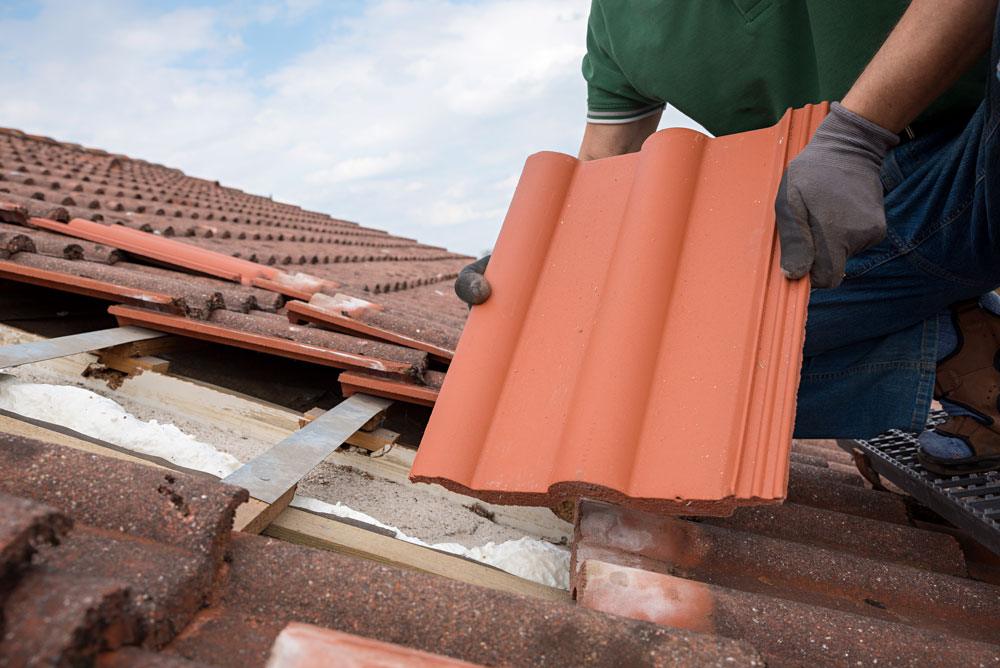
Over time, tiles can become brittle, porous, or cracked. Slates may delaminate or slip as fixings corrode. From ground level, this often goes unnoticed until several tiles fail in quick succession, usually after a spell of high winds or heavy rain.
In isolation, a single cracked tile may not seem urgent. In reality, it often suggests others are nearing the same point.
Degraded roof felt and underlay
Older roofs were typically built with bitumen felt rather than modern breathable membranes. While this was standard at the time, felt tends to dry out and tear as decades pass.
Once the felt deteriorates, the roof loses a critical secondary layer of protection. Water that gets past tiles has a much clearer route into the loft space. This is a common reason older roofs leak even when tiles appear mostly intact.
Because felt problems are hidden, they’re often discovered only during inspections or when more visible damage occurs.
Chimney-related leaks
Many older Preston homes feature one or more chimneys, even if the fireplaces are no longer in use. Chimneys are natural weak points in a roof and a regular source of problems.
Lead flashing around chimneys can crack, lift, or corrode with age. Mortar joints may crumble, allowing water to penetrate. In some cases, unused chimneys develop internal condensation issues that mimic roof leaks.
Chimney problems can be frustrating because leaks often appear some distance away from the actual fault. It’s one of those issues that tends to worsen slowly but persistently if ignored.
Sagging rooflines and timber fatigue
A sagging roofline doesn’t always mean imminent collapse, but it should never be dismissed. In older homes, sagging often points to tired timbers, historic water ingress, or long-term overloading.
Traditional roof structures were built to last, but decades of moisture exposure can weaken rafters and joists. Add layers of replacement tiles or poor ventilation into the mix, and the structure can begin to deform.
This kind of issue is rarely cosmetic. Left unchecked, it may lead to significant repair work that could have been limited if caught earlier.
Inadequate ventilation
Roof ventilation standards have changed significantly over the years. Many older Preston homes were built with little consideration for airflow through the roof space.
Poor ventilation can trap moisture in the loft, leading to condensation, mould growth, and timber decay. Homeowners sometimes mistake this for a roof leak when, in fact, it’s a ventilation issue causing dampness from within.
Improving ventilation doesn’t always require major work, but it does require proper assessment. Guesswork here can easily make things worse.
Moss and organic growth
Moss is particularly common on older roofs, especially those shaded by trees or north-facing elevations. While it might seem harmless, moss retains moisture and prevents tiles from drying properly.
Over time, this constant dampness accelerates wear, encourages frost damage, and can force tiles to lift. In gutters and valleys, moss build-up often leads to blockages and overflow.
Older tiles tend to be more porous, which makes them especially vulnerable to moss-related problems.
Failing leadwork and roof junctions
Lead has been used on roofs for centuries, and much of it performs remarkably well. That said, even lead has limits. On older homes, lead flashing around valleys, dormers, and abutments may be nearing the end of its useful life.
Repeated thermal movement can cause cracks or fatigue. In some cases, previous repairs may have been carried out poorly, using inappropriate materials that don’t last.
These junction points are critical. When they fail, leaks tend to be persistent and difficult to trace without experience.
Blocked or damaged guttering and roof edges
Guttering systems on older properties are often original or have been replaced piecemeal over the years. Cast iron gutters, while durable, can crack or rust if not maintained. Older plastic systems may sag or leak at joints.
When gutters fail, water doesn’t just fall harmlessly away. It often soaks into fascias, soffits, and roof edges, eventually affecting internal walls and ceilings.
This is one of those problems that appears minor but can quietly cause widespread damage.
Poor or outdated repairs
Many older roofs carry the legacy of past repairs. Some were done well; others less so. We often see mismatched tiles, inappropriate sealants, or temporary fixes that became permanent by default.
These repairs may hold for a time, but they rarely age gracefully. Eventually, they become weak points that compromise the surrounding roof structure.
Older homes deserve repairs that respect the original materials and construction methods, rather than quick fixes that only delay the inevitable.
When age becomes the deciding factor
At a certain point, it’s not just about individual problems. A roof may reach an age where ongoing repairs become less economical than more comprehensive work.
That doesn’t automatically mean a full replacement is needed, but it does mean decisions should be based on long-term thinking rather than short-term savings. In older Preston homes, this balance is particularly important given the variety of construction styles and materials involved.
Why inspections matter for older properties
The common thread across all these issues is that most of them develop slowly and quietly. Regular inspections can identify small problems before they escalate into major disruption.
Older roofs aren’t inherently unreliable, but they do require a bit more attention and understanding. With the right care, many continue to perform well for years longer than expected.
If your property in Preston is showing its age, or if you’re simply unsure what condition the roof is in, an inspection may provide clarity and peace of mind. Sometimes, knowing what isn’t wrong is just as valuable as discovering what is.