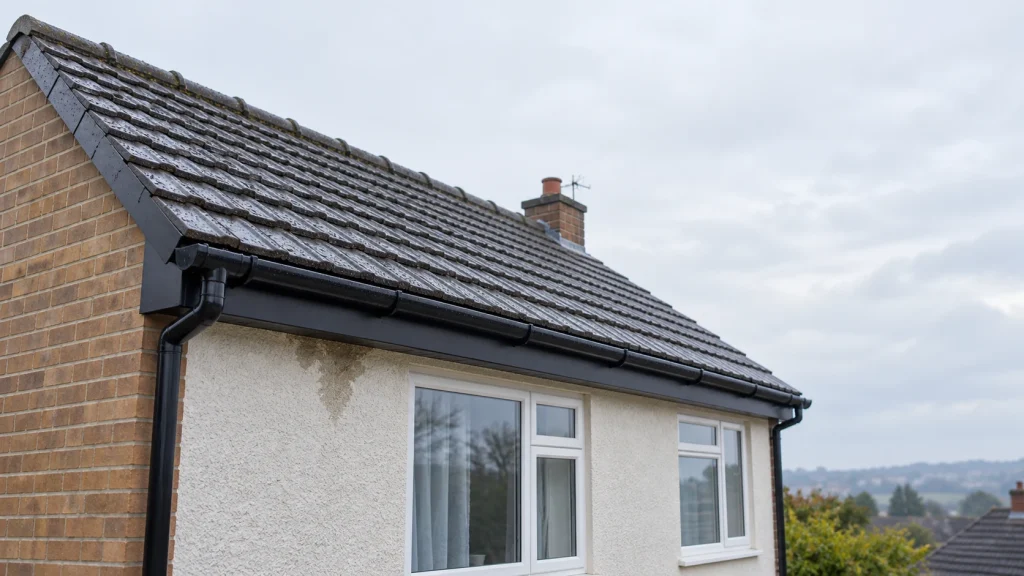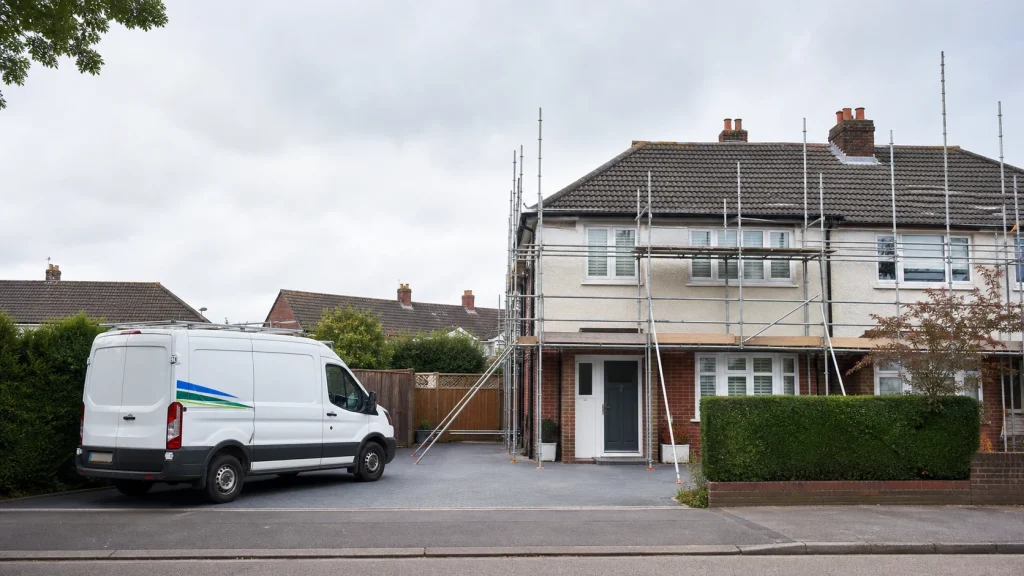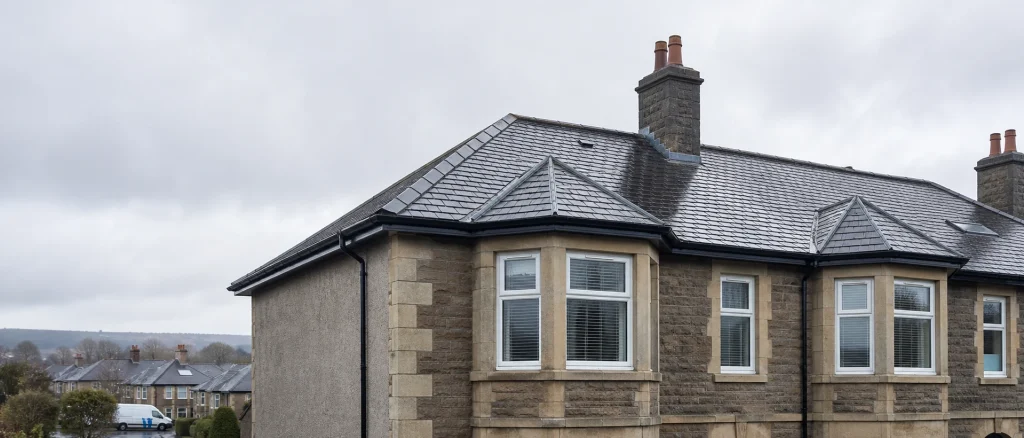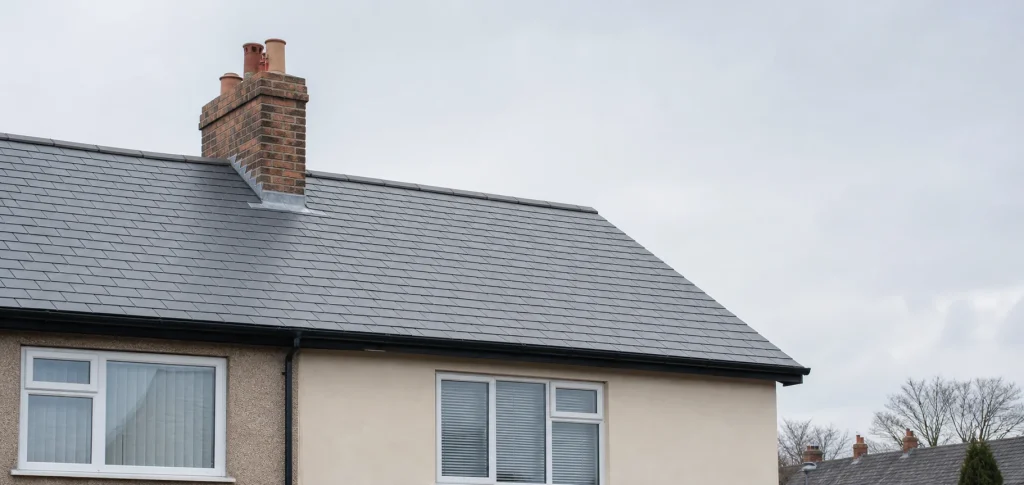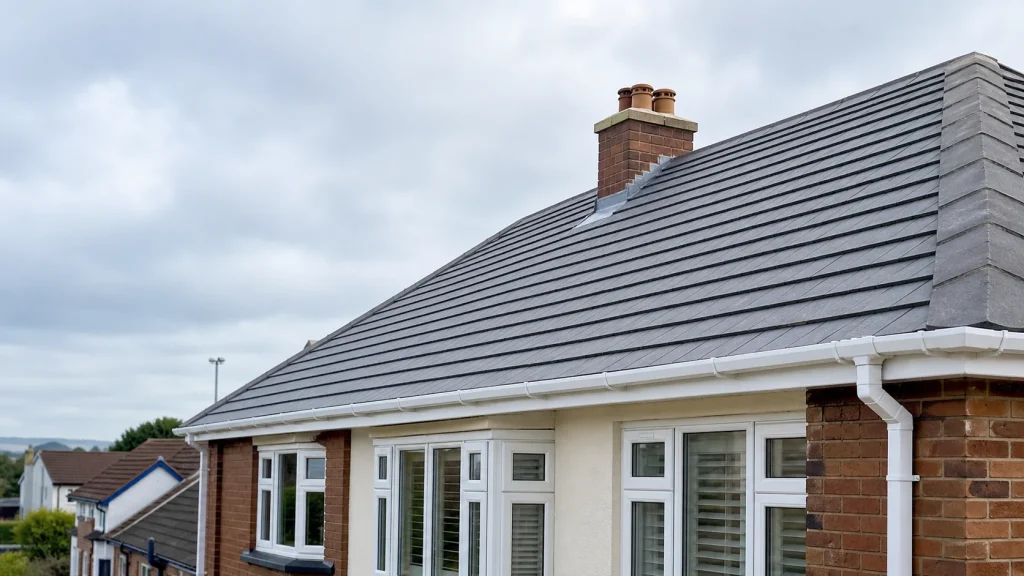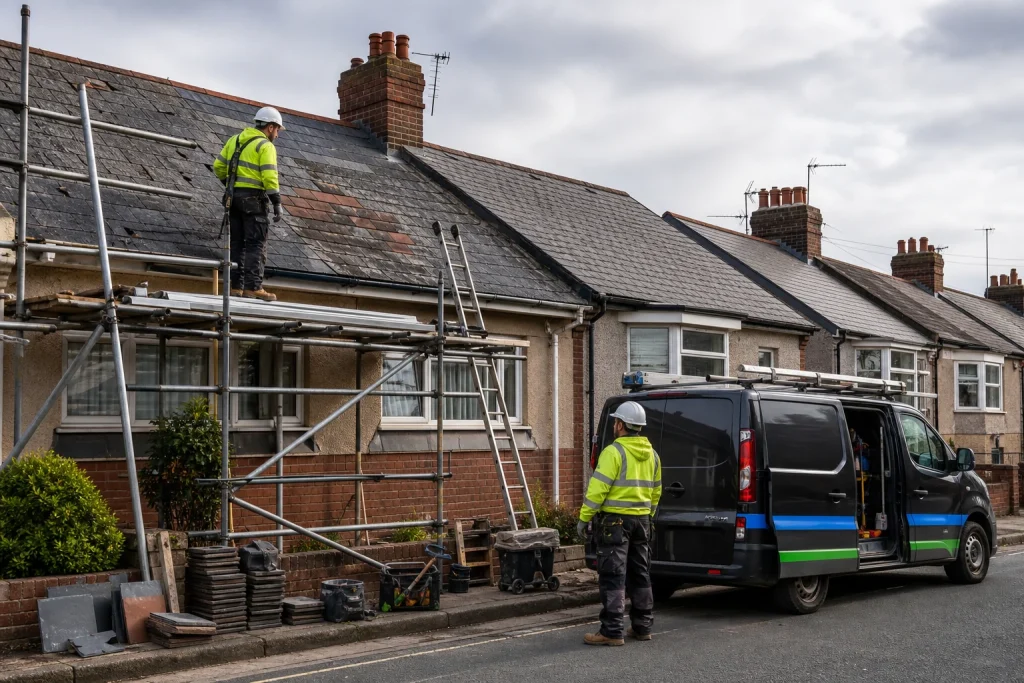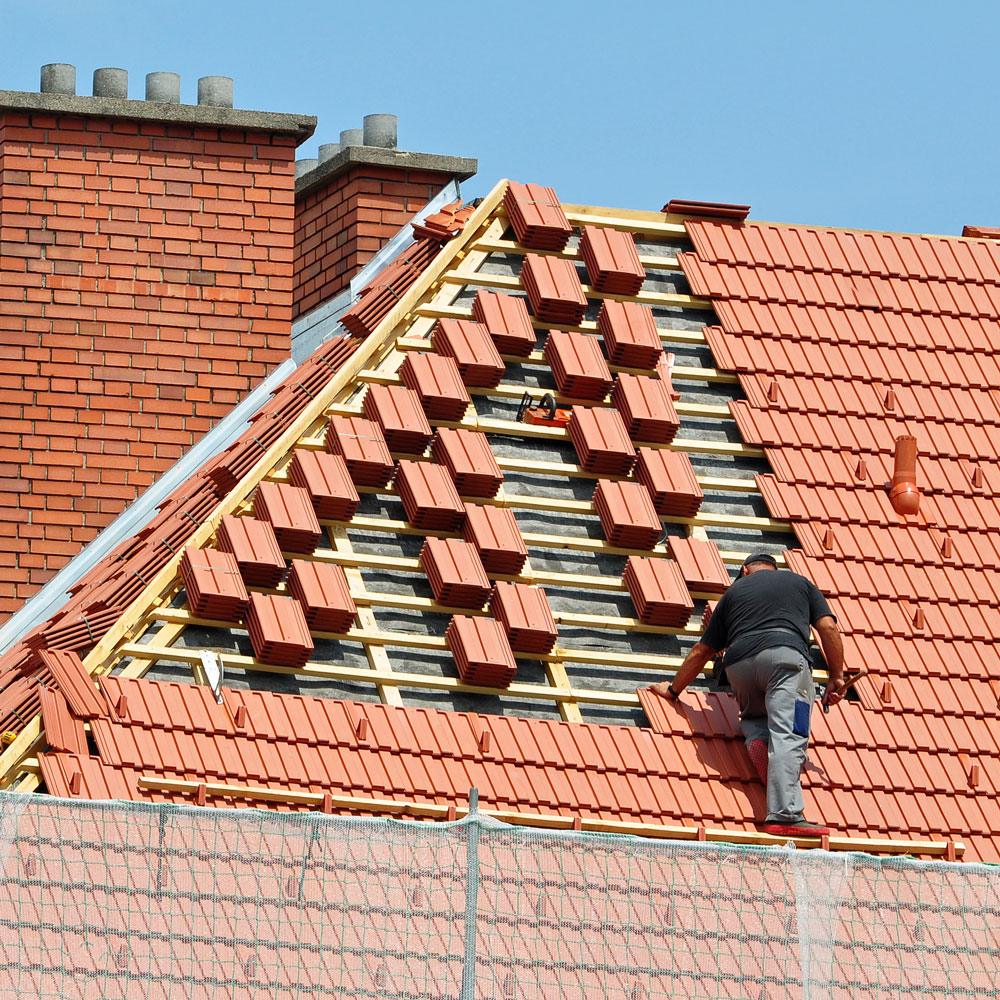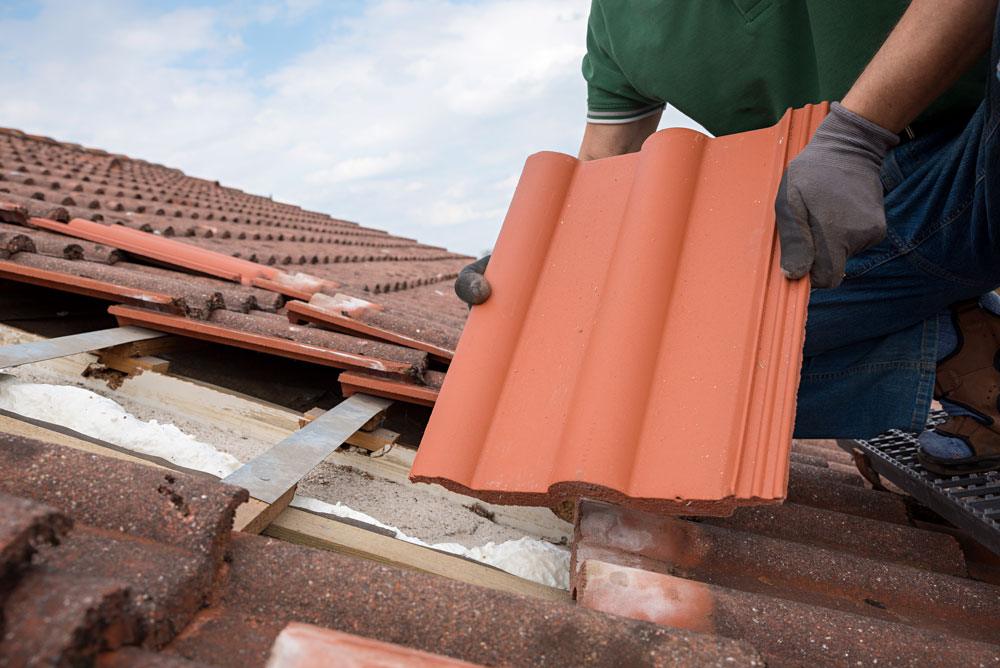

Gutters sit right where some of the most important roof replacement work happens. When old tiles, battens, felt and edge details are removed, the rainwater system often needs to be checked, protected, loosened or adjusted so the new roof can drain properly.
For many homeowners, the worry is simple. Will the gutters be damaged, removed or replaced? The answer depends on their condition, how they are fixed, and what the roof edge reveals once the covering is stripped back.
Why gutters matter during roof replacement
Gutters are not separate from the roof in practical terms. They collect water from the lower edge of the roof slope, so their position has to work with the tiles, underlay, fascia, eaves trays and any support details at the roof edge. If that edge is changed, the gutter may need to be checked as part of the wider job.
During a roof replacement, roofers usually remove the existing covering, inspect the timbers and fit new layers before the replacement tiles or slates go on. The eaves area is one of the first places where hidden issues can show. Old felt may have perished, the fascia may have softened, or the gutter brackets may be loose. None of that means the whole rainwater system automatically has to be replaced, but it does mean it should be assessed before the roof is finished.
A good gutter line helps the new roof do its job. Water should run cleanly from the roof covering into the gutter, without overshooting, running behind the fascia, soaking the wall or collecting at the eaves. Small details here make a big difference to the finished result.
Are gutters removed before the old roof comes off
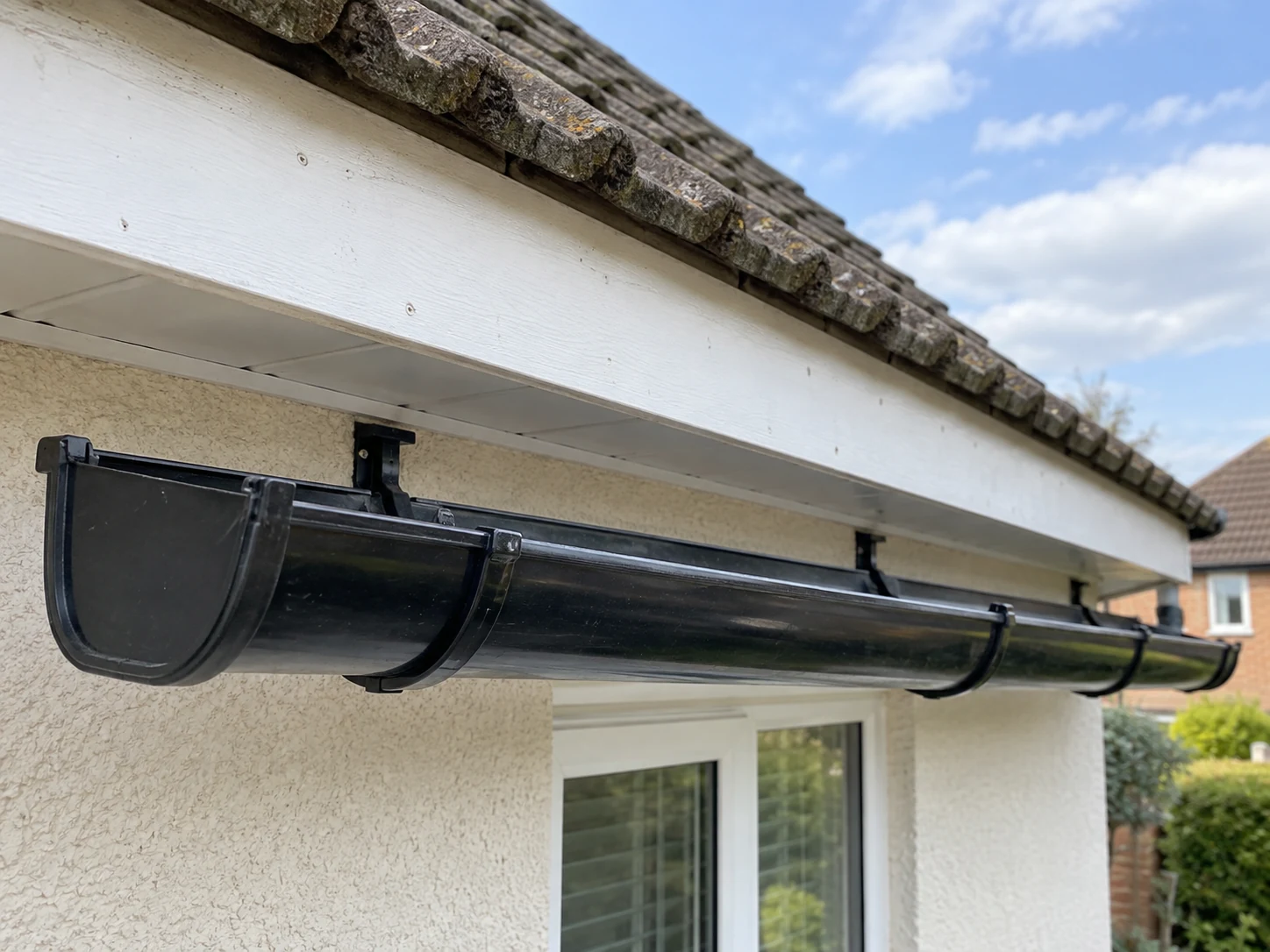
Sometimes gutters can stay in place while the main roof covering is removed. In other cases, sections may be temporarily loosened or taken down to give roofers proper access to the eaves, fascia or lower course of tiles. The right approach depends on the shape of the roof, the scaffold position, the age of the guttering and how the brackets are fixed.
If the gutters are sound, correctly aligned and not blocking access, roofers may protect them and work around them carefully. If they are brittle, distorted or fixed into timber that needs attention, it is usually better to deal with that while the roof edge is exposed. That avoids trapping an old problem behind a new roof finish.
Homeowners should not assume that removing a gutter means it is being thrown away. On many jobs, a gutter can be unclipped, set aside safely, then refitted after the roof edge has been rebuilt. The important point is whether it still performs properly once the new roof covering, felt support and tile overhang are in place.
If you want a wider view of the sequence of work, this guide to what happens during a roof replacement explains how stripping, preparation and finishing stages usually fit together.
What roofers check at the eaves
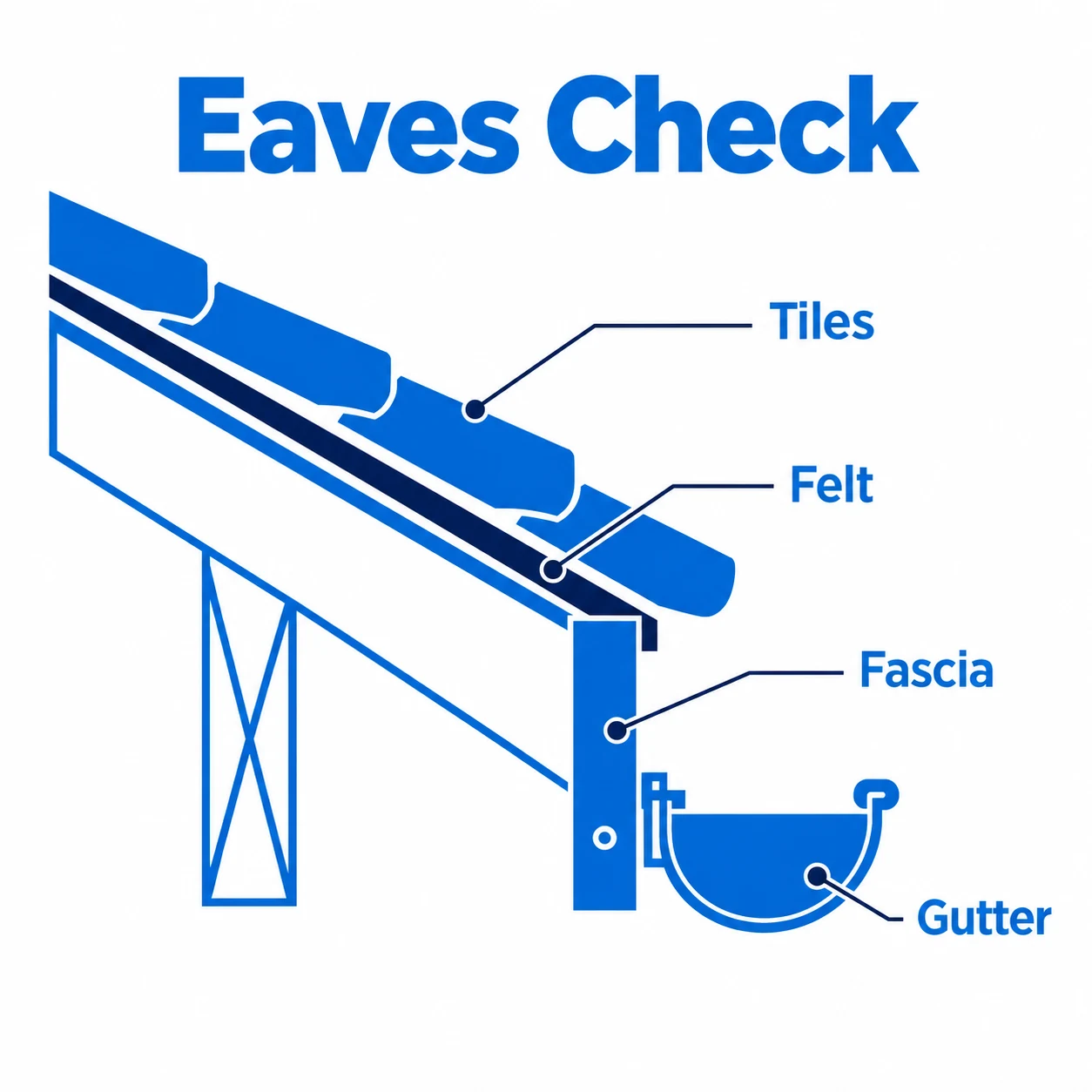
The eaves are the lower edge of the roof, where the roof covering meets the gutter. This area can reveal far more than a homeowner can see from ground level. Once the first courses of tiles are removed, roofers can check whether the old underlay has sagged, torn or stopped short of the gutter.
Older roofs often relied on felt that carried water towards the gutter. Over time, that felt can become brittle and break back from the edge. When this happens, wind driven rain or condensation can track into the roof edge rather than reaching the gutter. A roof replacement is a practical opportunity to correct that with suitable modern detailing.
Roofers will also look at the fascia, soffit, rafter feet, gutter brackets and tile support. If the fascia is weak, the gutter may dip. If brackets are spaced poorly or fixed into damaged timber, water can sit in low points rather than flowing towards the outlet. If the tile overhang is wrong, water may either miss the gutter or run behind it.
These checks are not cosmetic. They protect the new roof covering and help keep water away from vulnerable edges. A neat line of new tiles is only part of the job. The roof also needs a controlled path for rainwater.
When existing gutters can be refitted
Existing gutters can often be refitted if they are in sound condition. Roofers will usually look for cracks, warping, loose joints, tired seals, poor falls and signs that water has been escaping. They may also check whether the gutter capacity and outlet positions are suitable for the roof area.
If the guttering is still serviceable, it may simply be cleaned, realigned and clipped back into position once the roof edge is complete. The brackets may need adjustment so the gutter sits at the right height below the new tile line. That positioning matters because new tiles, replacement battens and fresh underlay can slightly alter how water leaves the roof.
Where the gutters have been leaking at joints, the issue may be worn seals rather than the gutter length itself. Where water has been pooling, the fall may need correction. Where sections have pulled away, better fixing into sound fascia can solve the problem. In other words, the decision is usually based on condition and performance, not age alone.
It is worth asking the roofer to explain what they have found at the roof edge before the final refit. Clear photographs, plain advice and a practical recommendation can help you decide whether reuse or replacement is the sensible route.
When gutter replacement makes sense
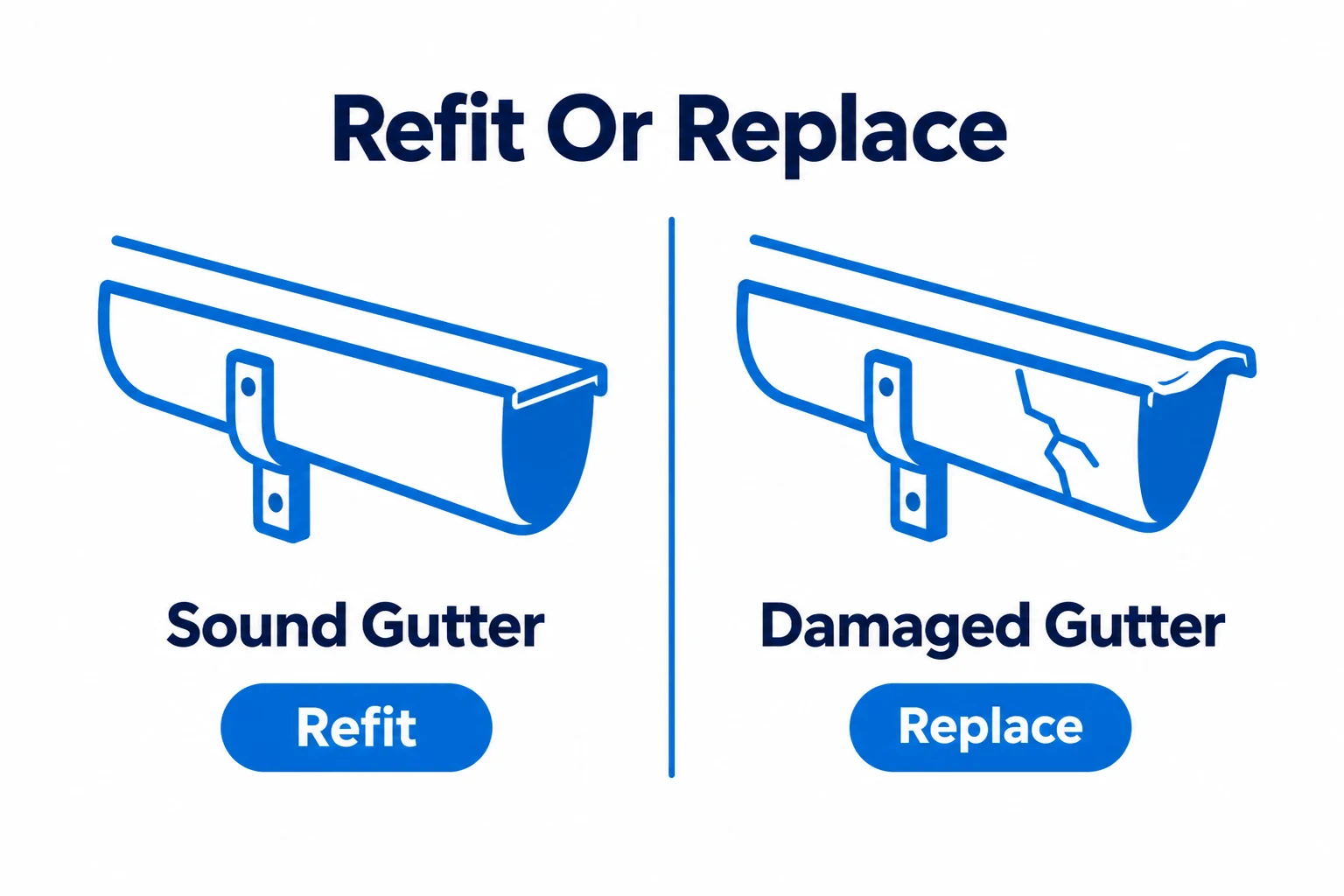
Gutter replacement may be recommended if the existing system is cracked, badly faded, distorted, leaking repeatedly or poorly matched to the roof. It may also be sensible if the fascia and soffit are being renewed, because the fixings and alignment can then be set properly as part of one finished edge.
Another common reason is access. When scaffold is already in place for roof replacement, roofers can usually inspect and work on the rainwater goods more safely and efficiently than they could from ladders alone. That does not mean every gutter should be replaced during a roof project, but it can be a practical time to resolve known defects.
Repeated leaks around the eaves can sometimes be blamed on the gutter when the real issue is higher up. Slipped tiles, failed felt, damaged battens or poor verge and eaves details can all send water where it should not go. If your roof has needed frequent patching, this guide on when repeated roof repairs point to roof replacement may help you understand when a wider solution is worth considering.
The best advice is balanced. A roofer should not replace gutters for the sake of it, but they should also not refit a failing system onto a newly replaced roof edge if it is likely to cause avoidable problems later.
What homeowners should ask before work starts
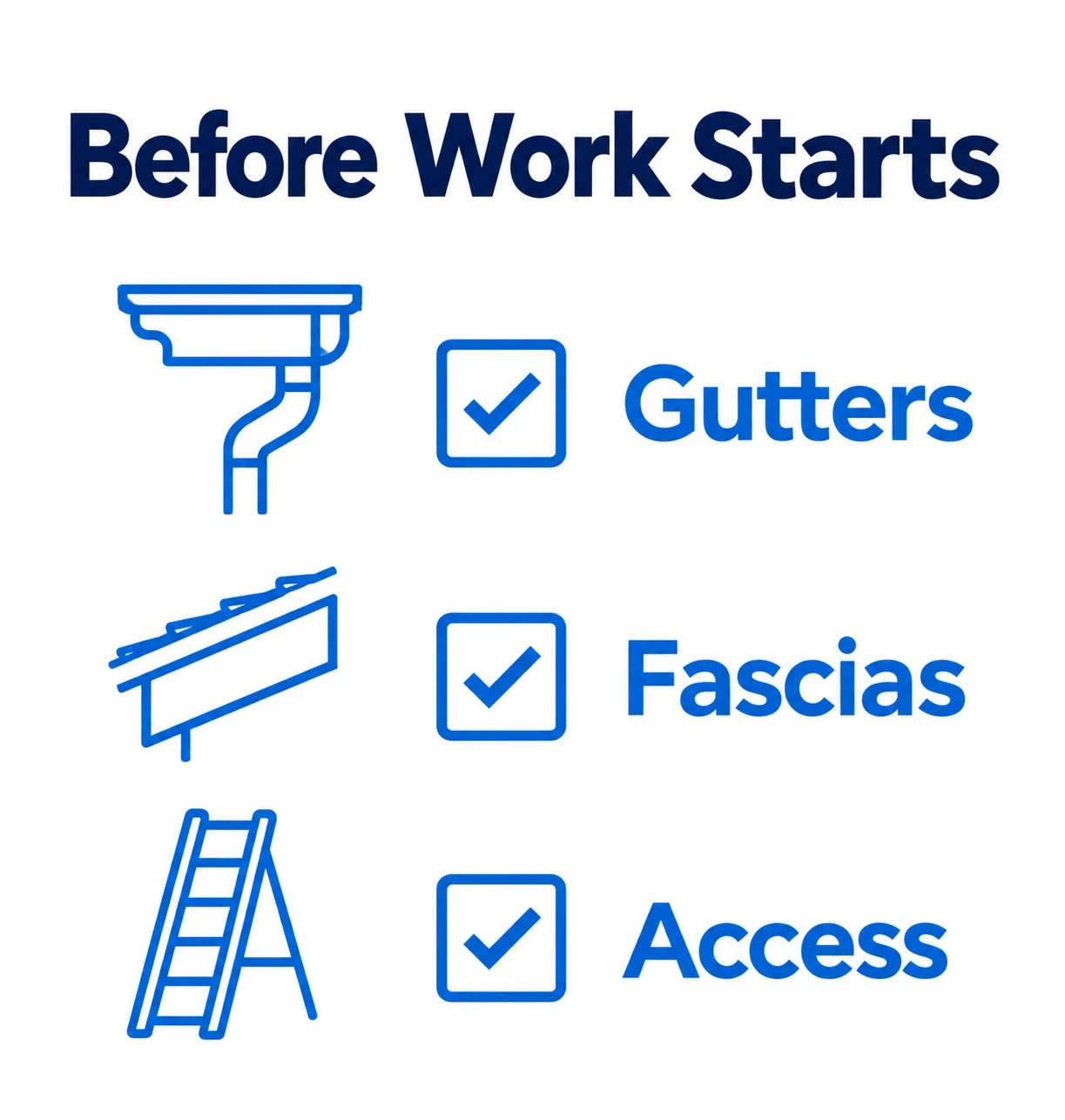
Before roof replacement begins, ask what will happen to the gutters, fascias and soffits. You do not need technical knowledge. A few clear questions will usually tell you whether the contractor has thought through the edge details properly.
- Will the gutters stay in place, be protected, or be temporarily removed?
- Will the eaves felt, support trays and lower roof edge be checked?
- Will the gutter fall and outlet positions be checked before refitting?
- What happens if rotten fascia or damaged rafter feet are found?
- Will I be told before any extra rainwater goods are replaced?
It is also reasonable to ask how the roof edge will be left at the end of each working day if the weather changes. Temporary protection is part of careful roofing work, especially while the old covering is off and the new layers are being prepared.
If you are still choosing who to instruct, these questions to ask before hiring a roofing contractor can help you compare advice, communication and working methods before you commit.
- Gutters are closely linked to the roof edge, so they should be checked during replacement work.
- Sound gutters can often be protected, adjusted and refitted once the new roof edge is complete.
- Damaged fascia, poor falls, brittle guttering or failed eaves felt can all affect rainwater performance.
- A roof replacement is a useful time to correct hidden edge details before new tiles are finished.
- Ask clear questions before work starts so you understand whether gutters will be reused, repaired or replaced.
Frequently asked questions
Do gutters always have to be replaced with a new roof?
No. If the existing gutters are sound, correctly aligned and suitable for the roof, they can often be refitted. Replacement is usually considered when they are cracked, leaking, distorted or fixed to damaged timber.
Can roofers damage gutters during roof replacement?
Careful roofers will plan around the gutters and protect or remove sections where needed. Brittle or already loose gutters are more vulnerable, which is why their condition should be checked before work starts.
Why does water run behind the gutter after roof work?
This can happen if the tile overhang, eaves support, underlay or gutter height is not working correctly. The gutter may need adjustment, or the roof edge detail may need checking so water is directed into the gutter.
Should fascias and soffits be checked at the same time?
Yes. Gutters are usually fixed to the fascia, so weak or damaged timber can affect the gutter line. Checking the full eaves area helps the new roof and rainwater system work together properly.
Planning a roof replacement
If you are arranging a new roof and want clear advice on gutters, eaves details and replacement tiles, speak to Roofer Preston for practical guidance before work begins.