Choosing a roofing contractor isn’t something most homeowners do very often. For many, it only comes up after a leak appears or tiles start coming loose, which means decisions are sometimes rushed. That’s understandable, but it can also lead to costly mistakes. Asking the right questions early on may help you avoid poor workmanship, unexpected costs, and stress further down the line.
Below are the key questions every homeowner should consider before agreeing to any roofing work, whether it’s a small repair or a full replacement.
How long have you been trading?
Experience isn’t everything, but it does count for a lot in roofing. A contractor who has been working in the area for many years is more likely to understand local building styles, weather conditions, and common roofing problems.
It’s worth listening carefully to how this question is answered. Someone with genuine experience will usually be happy to talk about the types of projects they’ve worked on and how their business has developed over time. Vague answers or defensiveness can be a quiet warning sign.
Are you fully insured?
This is a question that should never feel awkward to ask. Roofing carries risks, and proper insurance protects both the contractor and the homeowner. At a minimum, you should expect public liability insurance and, where applicable, employer’s liability cover.
If a contractor can’t provide proof or tries to brush the question aside, it’s best to pause. Without adequate insurance, any damage or injury could become your responsibility.
What roofing work do you specialise in?
Some roofing contractors handle everything; others focus on specific areas such as flat roofs, fibreglass systems, or heritage properties. Neither approach is wrong, but you should know whether the contractor’s strengths align with your project.
A company that mainly installs new roofs may not be the best choice for a complex repair, and vice versa. Asking this question helps set realistic expectations from the outset.
Can you provide references or examples of recent work?
Most reputable roofers are proud of their work and happy to share examples. This might be photos, testimonials, or even addresses of completed projects, where appropriate.
When looking at references, pay attention not just to the finish, but to how similar the project is to your own. A contractor experienced with modern fibreglass roofs may approach work differently to one who mostly handles traditional tiled properties.
What exactly is included in the quote?
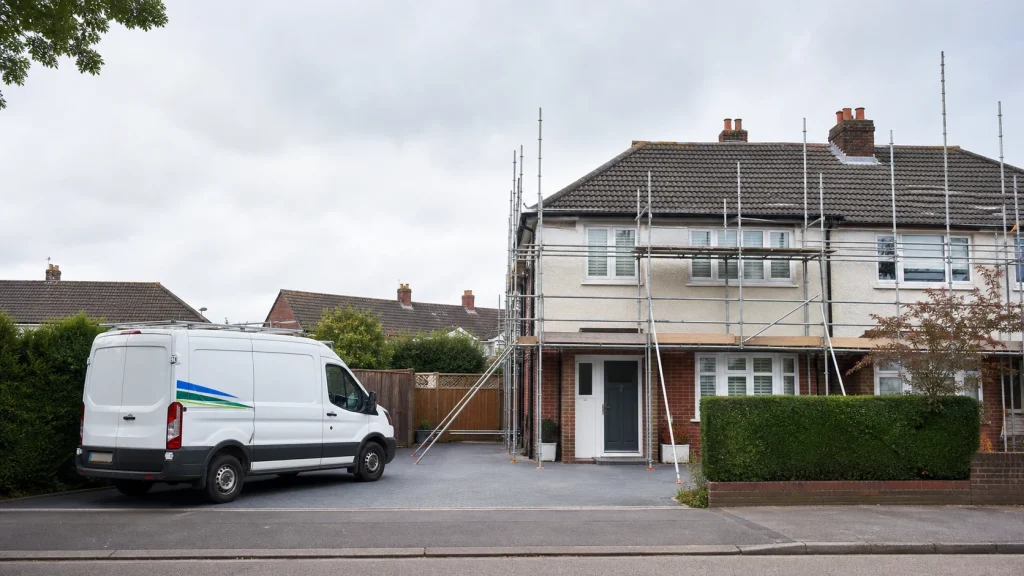
One of the most common sources of disagreement is misunderstanding what’s included in the price. A written quote should clearly outline materials, labour, waste removal, scaffolding if required, and any additional costs.
If a quote seems unusually low, it’s worth asking what might not be included. In some cases, essential items are left out intentionally, only to appear later as “extras”.
Will you be using subcontractors?
There’s nothing inherently wrong with subcontracting, but you should know who will actually be carrying out the work. Some companies manage everything in-house, while others bring in specialists for certain tasks.
Understanding this upfront helps clarify accountability. It also allows you to ask whether subcontractors are insured and experienced in the specific type of roofing being installed.
What materials will you use, and why?
Materials vary widely in quality, lifespan, and cost. A good contractor should be able to explain why they recommend certain materials and how they perform in local conditions.
If the explanation feels rushed or unclear, that may suggest corners are being cut. Roofing materials are a long-term investment, and understanding what’s going onto your home matters.
How long will the work take?
While exact timelines can be affected by weather, an experienced roofer should be able to give a realistic estimate. Be cautious of promises that seem overly optimistic, especially for larger projects.
It’s also worth asking how delays are handled and whether work will be completed consecutively or spread over multiple weeks.
What happens if additional issues are found?
Roofing work often reveals hidden problems, such as rotten timbers or damaged underlay. The key question isn’t whether issues might arise, but how they’re dealt with.
Ask how variations are priced and approved. Clear communication at this stage can prevent unpleasant surprises later.
Do you offer a workmanship guarantee?
Materials often come with manufacturer warranties, but workmanship guarantees are just as important. A contractor who stands by their work will usually offer a clear guarantee period.
Be wary of vague promises. A written guarantee provides reassurance and shows confidence in the quality of the work.
How will the site be left each day?
This may seem minor, but it affects your daily life while work is ongoing. Ask how debris will be managed, whether tools are secured, and how access to your property will be handled.
A contractor who pays attention to these details often brings the same care to the roofing itself.
When is payment expected?
Payment structures vary, but large upfront payments should raise questions. Many reputable contractors ask for staged payments or payment on completion, depending on the project size.
Make sure payment terms are clearly agreed in writing before work begins.
Trust your instincts
Beyond the questions themselves, pay attention to how they’re answered. Clear communication, patience, and transparency often indicate a professional approach. If something feels off, it’s usually worth listening to that instinct.
Hiring a roofing contractor isn’t just about fixing a problem; it’s about trusting someone with one of the most important parts of your home. Taking the time to ask these questions may feel cautious, but it’s often what separates a smooth project from a stressful one.
If you’d like, I can adapt this article for local SEO, simplify it for a shorter advice page, or rewrite it in a more informal, conversational style.