A persistent roof leak can be frustrating because the stain on the ceiling is rarely a simple map to the problem above it. Water can enter at one point, travel across timbers, insulation or underlay, then show itself somewhere entirely different.
That is why experienced roofers do not rely on guesswork. They build a picture from the symptoms, the roof layout, recent weather and a careful inspection, then recommend a repair that deals with the source rather than only covering the mark inside.
Why roof leaks are often hard to trace
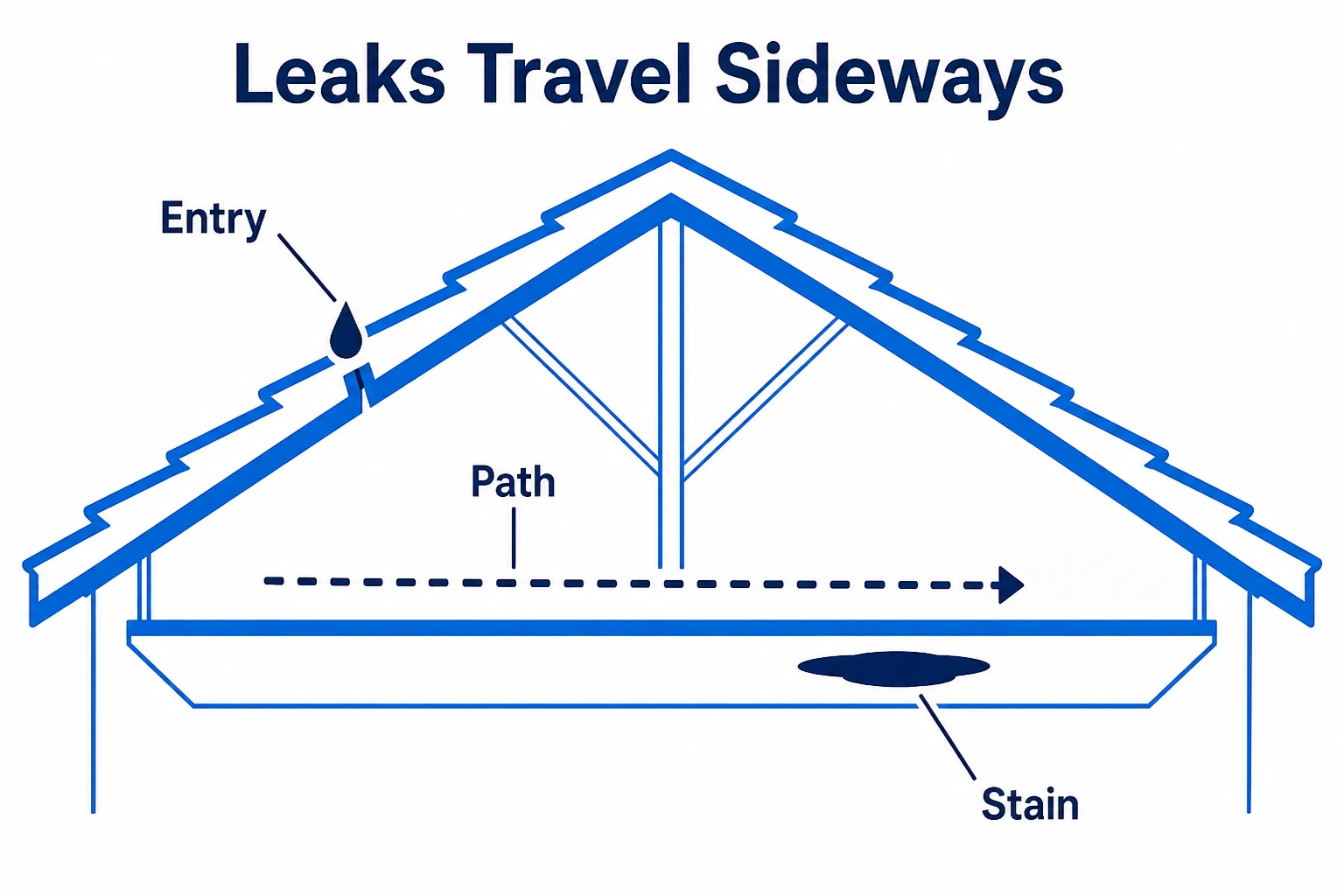
Roof leaks are awkward because water follows the path of least resistance. Once rain gets beneath the outer covering, it may run along battens, rafters, pipework, old fixings or the underside of materials before it finally drops into the room below. By the time you see a damp patch, the entry point may be several metres away.
The shape of the roof matters too. Valleys, abutments, dormers, roof windows, vents, ridges and changes in pitch all create junctions where water has to be managed carefully. A leak may only appear when rain comes from a certain direction, when wind drives water beneath an edge, or when heavy rain overwhelms a weak detail that copes during lighter showers.
Inside the home, the visible symptom can also be misleading. A brown ceiling stain, peeling paint, damp plaster or a drip near a light fitting tells you where moisture has ended up, not necessarily where it entered. In some homes, insulation can hold water for a while before releasing it later, which makes the timing harder to read.
This is the main reason professional roof repair inspections focus on diagnosis before any repair is agreed. The aim is to understand the route the water has taken, then choose a repair that stops the leak at its source.
The questions roofers ask before going onto the roof
A good leak trace usually starts with questions. The answers help narrow the search and avoid unnecessary disturbance to sound parts of the roof.
Useful details include when the leak first appeared, whether it happens during every rainfall, whether wind direction seems to make it worse, and whether the problem is steady or intermittent. It also helps to know if any recent work has taken place nearby, such as aerial changes, solar work, gutter cleaning, loft works or internal renovations.
Roofers will often ask whether the damp area grows after prolonged rain or appears quickly during a sudden downpour. A leak that follows long wet spells can point to saturation or poor water shedding, while a leak that appears during wind driven rain may suggest water is being pushed into a vulnerable junction.
The room affected is also important. Damp near an external wall, chimney breast, roof window, ceiling edge or loft hatch gives different clues. Photographs taken during active leaking can be helpful, especially if the roof is dry by the time the inspection takes place.
Homeowners do not need to diagnose the fault themselves. The useful job is simply to describe the pattern clearly. A roofer can then match those observations against what is found above the ceiling and outside on the roof.
How the inside inspection helps narrow the search

Before stepping onto the roof, a roofer may check the affected room, loft space and accessible roof void. This part of the inspection can reveal the path water has taken and help separate a roof leak from other moisture issues.
Inside, they may look for tide marks, staining, fresh damp, mould growth, swollen timber, damaged plasterboard and signs of repeated wetting. In the loft, they may check whether rafters, boards, insulation or stored items are wet. They may also look at how far dampness spreads from the visible stain.
Condensation can sometimes mimic a roof leak, especially where warm air meets cold surfaces. A professional inspection considers that possibility without dismissing the roof too quickly. The difference matters because adding sealant or replacing a visible part of the roof will not solve a ventilation or moisture problem inside the building.
Roofers also check for signs that water is entering around penetrations or junctions, then travelling along hidden surfaces. Nails, old fixings and changes in timber colour can sometimes show a trail. The inspection is partly practical and partly investigative, using small clues to reduce a wide roof area into a sensible shortlist of likely causes.
If you are seeing early symptoms but not yet an active drip, it can help to compare them with other warning signs your roof may need repair. Catching the issue while it is still limited often gives the roofer clearer options.
What roofers check outside
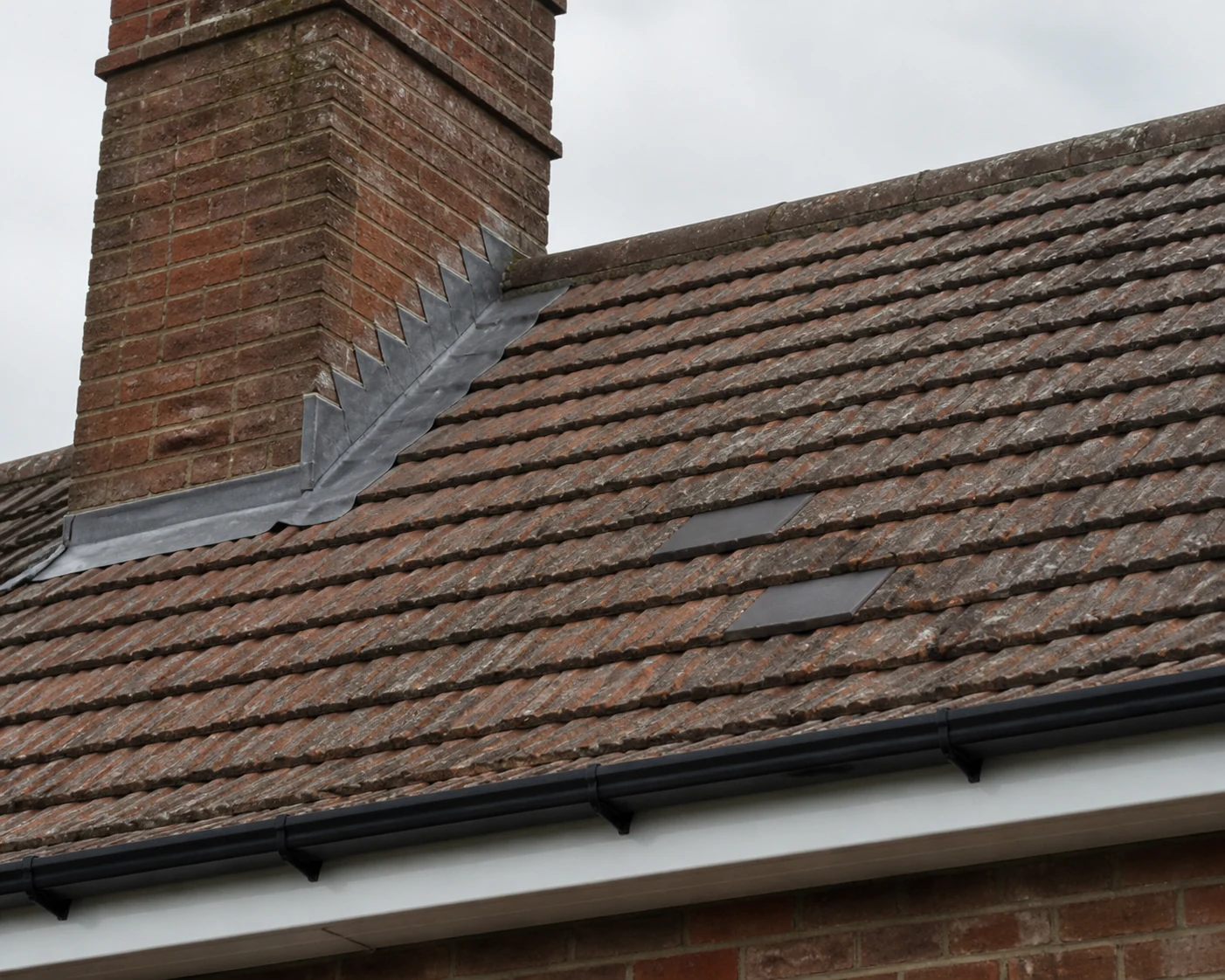
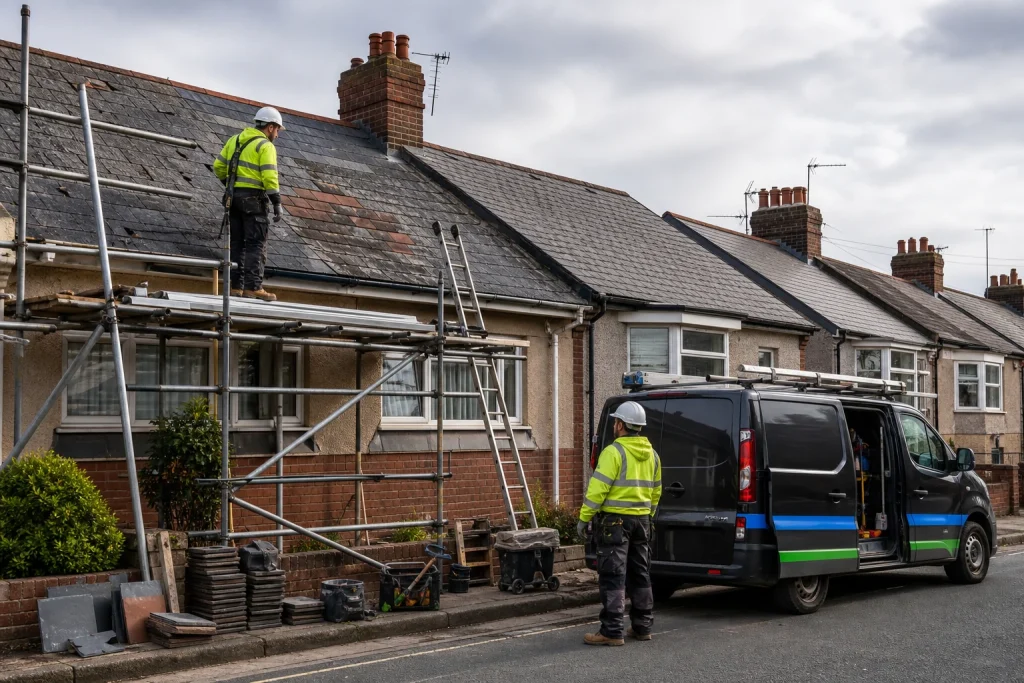
The external inspection looks at the parts of the roof that manage rainwater, movement and weather exposure. Rather than assuming one obvious defect is responsible, an experienced roofer checks the surrounding area and follows the likely path of water.
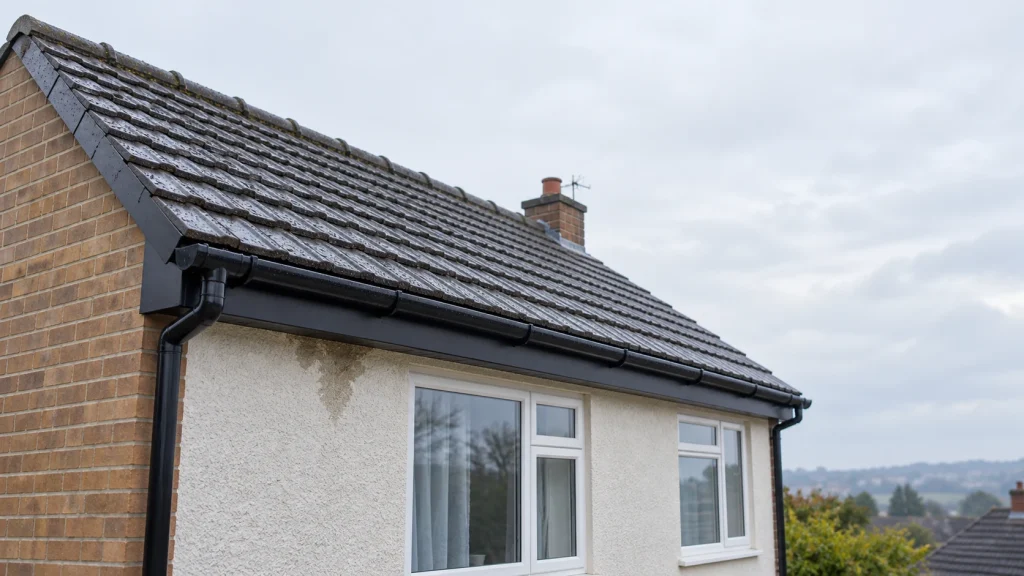
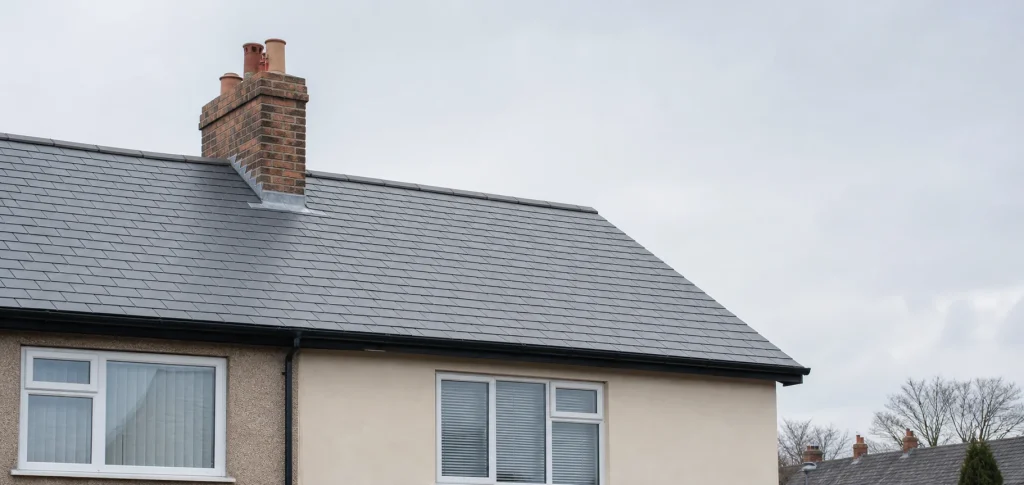
Typical checks include coverings, ridges, verges, valleys, abutments, gutters, downpipes, roof windows, vents, pipe collars and any change in roof level. The roofer is looking for gaps, lifted edges, ageing sealants, cracked mortar, blocked drainage, failed laps, poor previous repairs and anything that allows water to sit where it should run away.
Gutters deserve attention because an overflowing or blocked gutter can send water back toward fascia boards, walls or roof edges. The leak may look like a roof covering problem from indoors, but the source could be rainwater that is not being carried away correctly.
Previous repairs are also worth checking. A patch that once worked can fail if movement, weathering or trapped water affects the area around it. The roofer may need to understand not only what is damaged now, but why the same area keeps becoming vulnerable.
In older homes, the roof may have a mix of original materials, later repairs and altered details. That does not automatically mean the roof is in poor condition, but it does make methodical inspection more important. If the property has a history of age related defects, guidance on common roofing problems found on older homes can help explain why more than one small weakness may be involved.
Why testing and careful repair planning matter
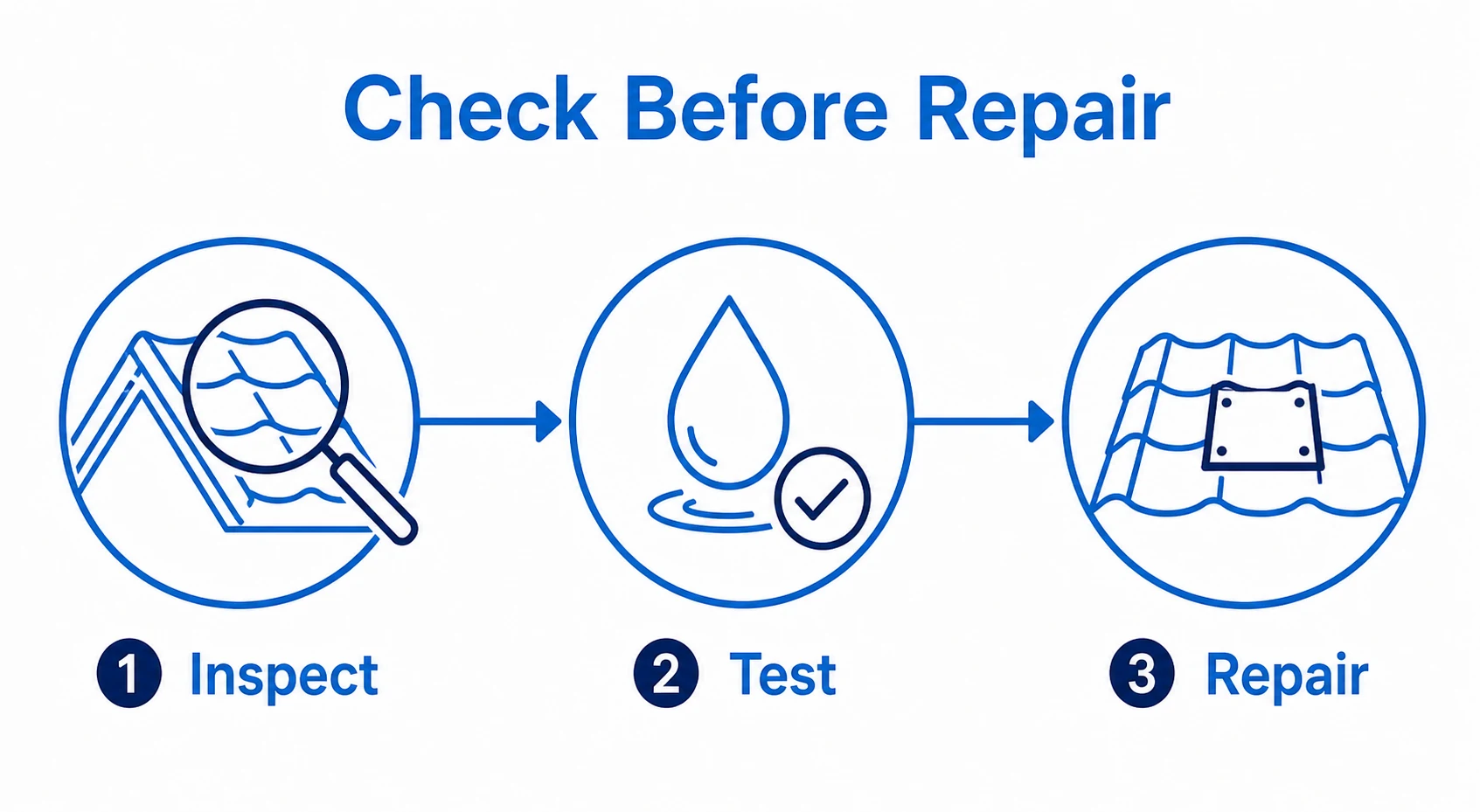
Once the likely source is found, the next step is confirming the repair approach. Sometimes the defect is clear enough to act on straight away. In other cases, especially with intermittent leaks, the roofer may need to test the area carefully or inspect again after rainfall.
Controlled water testing can be useful when done properly, but it should be used with care. Soaking a large roof area at once may only confuse the result. A more controlled approach works from lower areas upward, testing one section at a time and giving water time to show inside if that section is the source.
Repair planning should also consider whether the issue is isolated or part of a wider pattern. A single failed detail may only need a targeted repair. Repeated leaks in nearby areas may suggest movement, poor drainage, ageing materials or earlier work that did not address the underlying cause.
This is where good roofing advice becomes valuable. The best repair is not always the most dramatic option. It is the one that fits the evidence, deals with the source of water entry, and leaves the roof able to shed rain properly again.
If the same roof keeps needing attention in different areas, it may be worth understanding when repeated roof repairs point to roof replacement. That does not mean replacement is always needed, but it helps homeowners have a clearer conversation about the condition of the whole roof.
What homeowners can do before calling a roofer
You can make the inspection more productive without taking risks. Note when the leak happens, where the stain appears, and whether it changes after heavy rain, light rain or wind. If safe, take photographs of the internal symptoms and keep a short record of the weather conditions when they appear.
Move belongings away from the affected area, contain active drips, and avoid using electrical fittings near water until they have been checked by a competent person. Do not climb onto the roof or lift materials yourself. A roof can look simple from the ground but become hazardous very quickly.
Avoid covering the symptom with paint or filler before the source is traced. Cosmetic work can hide useful clues and may need to be redone if moisture returns. It is better to solve the water entry first, allow the area to dry properly, then deal with internal making good.
When arranging help, describe the issue plainly. A useful message might include the room affected, when the leak appears, whether there is loft access, and whether any work has recently been carried out near the roof. Clear information helps the roofer arrive with the right expectations and inspect the most relevant areas first.
- The damp patch inside shows where water ends up, not always where it enters.
- A proper leak trace combines homeowner observations, internal checks and roof inspection.
- Wind direction, rainfall pattern and roof layout can all change how a leak behaves.
- Targeted repairs work best when the source has been confirmed rather than guessed.
- Repeated leaks may point to a wider roof condition issue that needs a broader assessment.
Frequently asked questions
Can a roofer always find a leak on the first visit?
Often they can, especially when the defect is visible or the leak has a clear pattern. Intermittent leaks can take more investigation because the roof may only fail under certain rain or wind conditions.
Should I wait until the leak is active before booking an inspection?
No. Stains, damp smells, peeling paint and wet loft insulation are all worth checking. Waiting for a heavier leak can allow more moisture into the building.
Is a ceiling stain always caused by the roof?
Not always. It can also come from plumbing, condensation or water tracking from another area. A careful inspection helps separate roof faults from other moisture sources.
What should I tell a roofer about a persistent leak?
Explain when it happens, where it appears, how long it has been going on, and whether weather conditions make a difference. Photos and simple notes can be very useful.
Need the source traced properly?
If a leak keeps coming back, Roofer Preston can inspect the roof, explain what is causing the problem and recommend a practical repair.