Roofs in Preston tend to age in their own quiet way. They’re not battling extreme heat or heavy snowfall most of the year, yet they still take a steady beating. Wind, rain, damp air and sudden temperature changes all play their part. Over time, those everyday conditions can have a real impact on how long a roof lasts, especially if it isn’t maintained with the local climate in mind.
Understanding how Preston’s weather influences roofing materials may help homeowners spot problems earlier and make better long-term decisions.
Frequent rainfall and persistent damp
Preston is no stranger to rain. While individual downpours might not seem dramatic, it’s the consistency that matters. Regular rainfall means roofs rarely get long periods to fully dry out, particularly in shaded areas or on north-facing slopes.
Persistent dampness accelerates wear in several ways. Tiles can become porous over time, allowing moisture to soak in. Roof felt and underlay, especially on older properties, may degrade more quickly when exposed to repeated moisture. Even small defects can worsen simply because the roof never quite gets a break.
Homes with blocked gutters or poor drainage tend to suffer more in wet conditions, as water lingers where it shouldn’t.
Wind exposure and tile movement
Strong winds are another factor that quietly shortens roof lifespan. Preston doesn’t often see extreme storms, but regular gusts and seasonal high winds can gradually loosen tiles and ridge fittings.
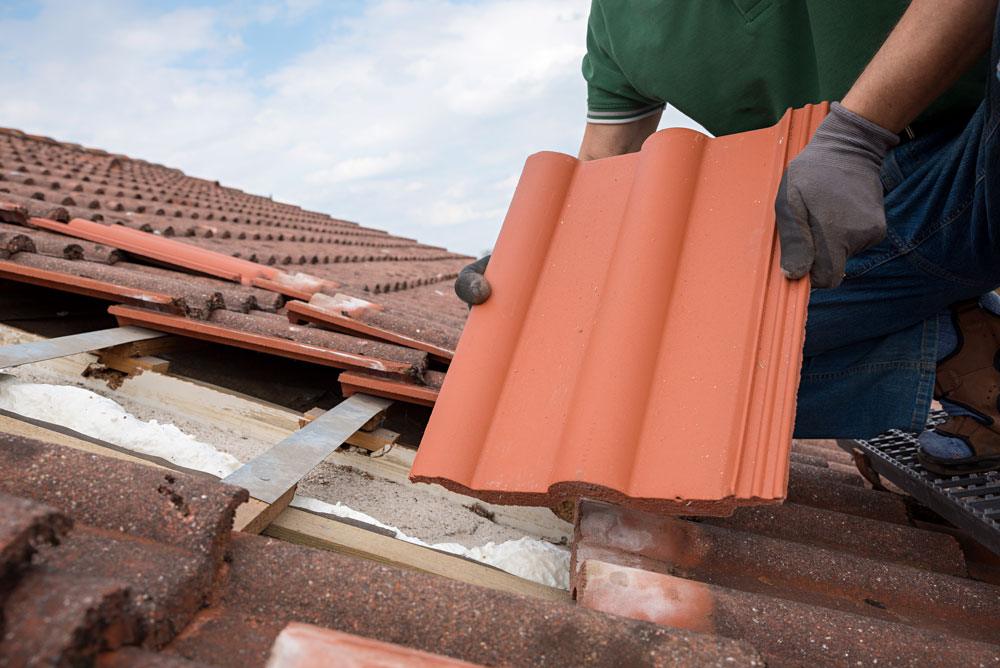
Once a tile shifts, even slightly, it creates a pathway for water to enter beneath the roof covering. Over time, repeated movement can weaken fixings and cause neighbouring tiles to follow. Wind-related damage often goes unnoticed until several tiles fail at once.
Ridge tiles and verge areas are particularly vulnerable, especially on older roofs where mortar may have lost its strength.
Temperature changes and material fatigue
Although Preston’s climate is relatively mild, temperature fluctuations still affect roofing materials. Daily changes from cold nights to warmer afternoons cause materials to expand and contract.
Over years, this movement leads to fatigue. Mortar cracks, lead flashing weakens, and sealants lose flexibility. It’s not dramatic, but it’s persistent. Older roofs, built with materials less tolerant of movement, often show these effects sooner.
This is why many roof issues seem to appear “out of nowhere” after winter or early spring, even if the weather hasn’t been especially harsh.
Frost and freeze-thaw cycles
Winter brings another challenge: freeze-thaw cycles. Water that seeps into small cracks or porous tiles expands when it freezes, forcing materials apart at a microscopic level.
One or two frosts won’t cause much harm, but repeated cycles over many winters can lead to cracked tiles, lifted edges, and failing mortar. Older clay and concrete tiles are particularly susceptible, especially if they’re already weathered.
Frost damage often becomes visible months later, once cracks widen enough to allow water ingress.
Moss, algae and organic growth
Preston’s damp climate creates ideal conditions for moss and algae. Roofs shaded by trees or neighbouring buildings are especially affected.
Moss holds moisture against the roof surface, preventing tiles from drying properly. This constant dampness speeds up deterioration and increases the risk of frost damage in winter. In gutters and valleys, moss build-up can cause blockages, leading to overflow and water backing up under the roof edge.
While moss growth doesn’t automatically mean a roof is failing, it does suggest the roof is staying wetter than it should.
Salt and airborne pollutants
Although Preston isn’t directly coastal, prevailing winds can still carry airborne pollutants and, occasionally, salt from wider coastal weather systems. Combined with traffic pollution, this can contribute to gradual surface wear on roofing materials.
Over time, this exposure can dull protective finishes on tiles and accelerate corrosion in metal components such as fixings, flashing, and guttering. It’s a slow process, but one that adds up over decades.
Impact on flat and low-pitch roofs
Weather conditions tend to affect flat and low-pitch roofs more noticeably. Standing water after rainfall is common, especially if drainage isn’t perfectly set up.
Repeated wetting and drying places stress on membranes and joints. In colder months, pooled water increases the risk of freeze-related damage. In warmer spells, UV exposure can weaken certain materials.
This is why flat roofs in Preston often require more frequent inspections than pitched roofs.
Older housing stock and weather vulnerability
Preston has a large number of older homes, many built before modern roofing membranes and ventilation standards. These properties often feel the effects of weather more keenly.
Older felt, limited ventilation, and traditional construction methods mean moisture behaves differently than it does in newer builds. Condensation, for example, may be mistaken for a leak when it’s actually a ventilation issue made worse by damp external conditions.
Understanding the age and construction of a roof is just as important as understanding the weather itself.
Why maintenance matters more in this climate
In a climate like Preston’s, neglect tends to show up sooner. Small defects don’t get the chance to dry out or stabilise, so they worsen more quickly than they might in drier regions.
Regular inspections, clearing gutters, checking flashing, and replacing minor damaged areas may significantly extend roof lifespan. Maintenance doesn’t stop weather from doing its job, but it does slow down the damage.
Making weather-aware roofing decisions
When repairs or replacements are needed, choosing materials suited to local conditions matters. Some tiles perform better in damp climates. Certain membranes handle moisture more effectively. Proper ventilation can make a noticeable difference in longevity.
A roof built or maintained with Preston’s weather in mind is likely to last longer and perform more reliably than one treated as a generic installation.
Final thoughts
Preston’s weather doesn’t attack roofs aggressively; it wears them down steadily. Rain, wind, damp air and temperature changes combine to test roofing materials year after year.
The good news is that understanding these influences puts homeowners in a stronger position. With sensible maintenance and informed choices, roofs in Preston can still deliver decades of dependable protection, even under challenging conditions.