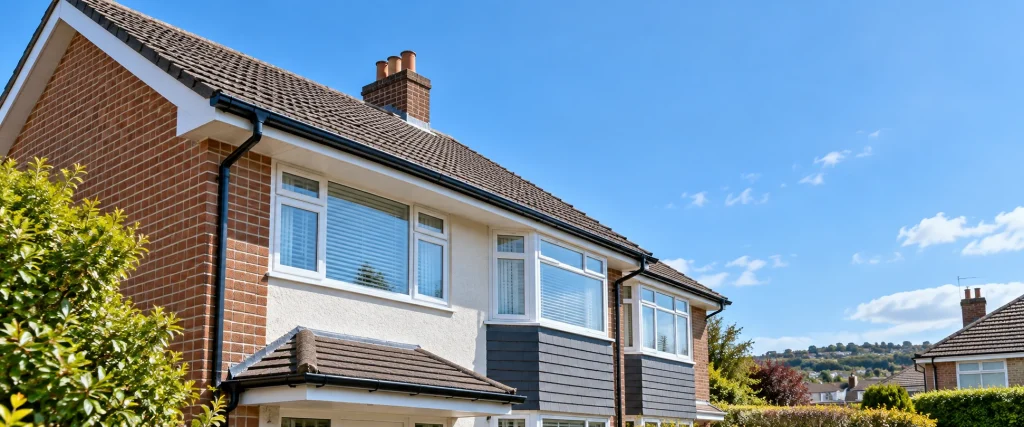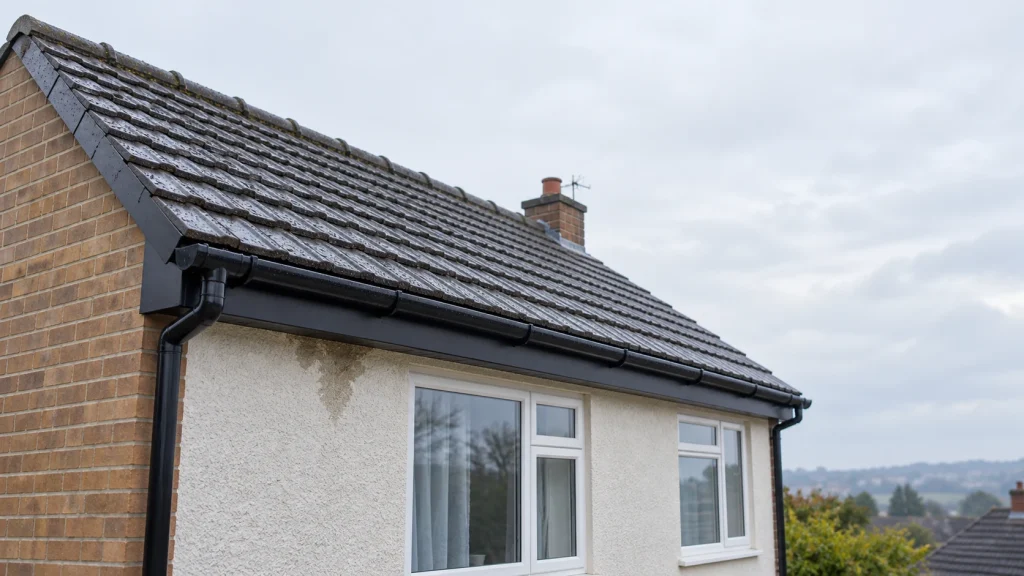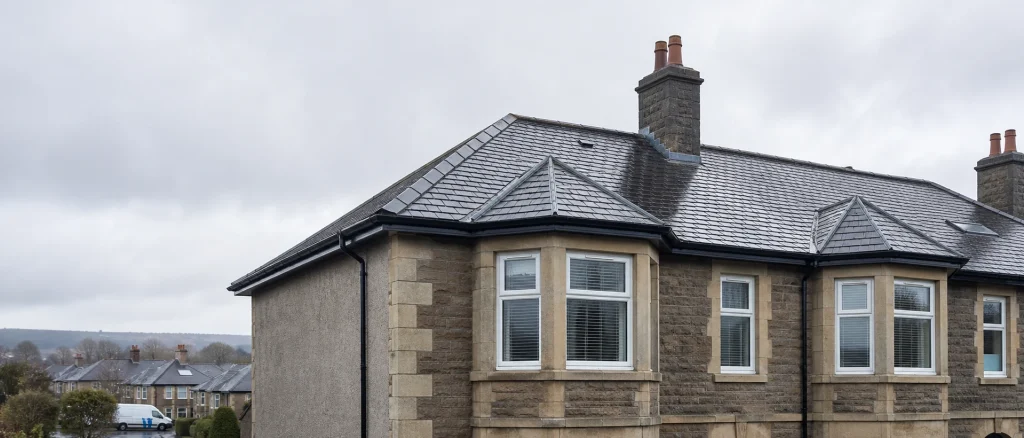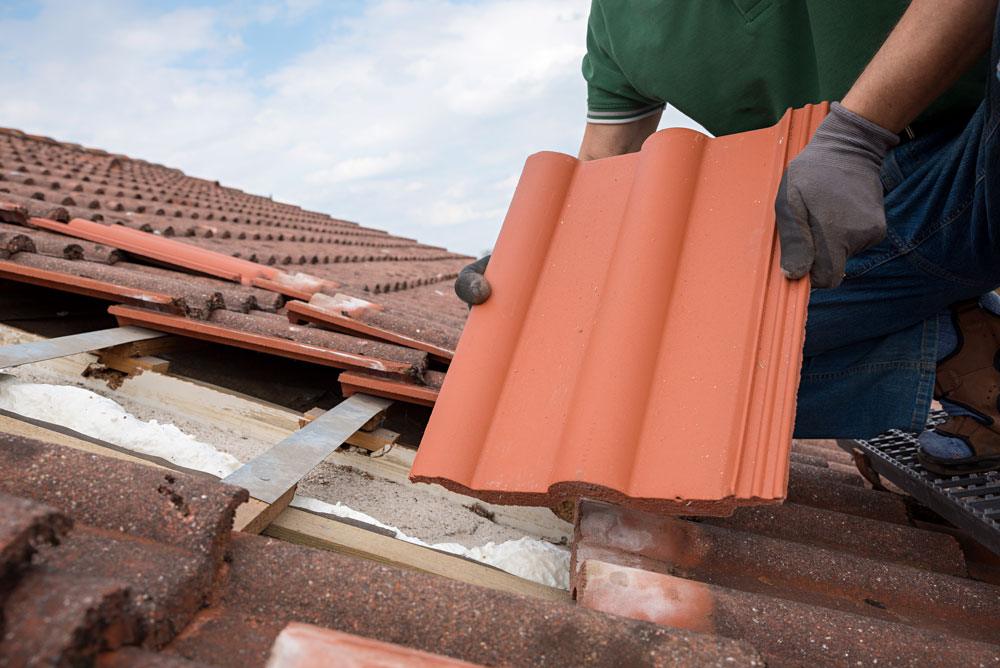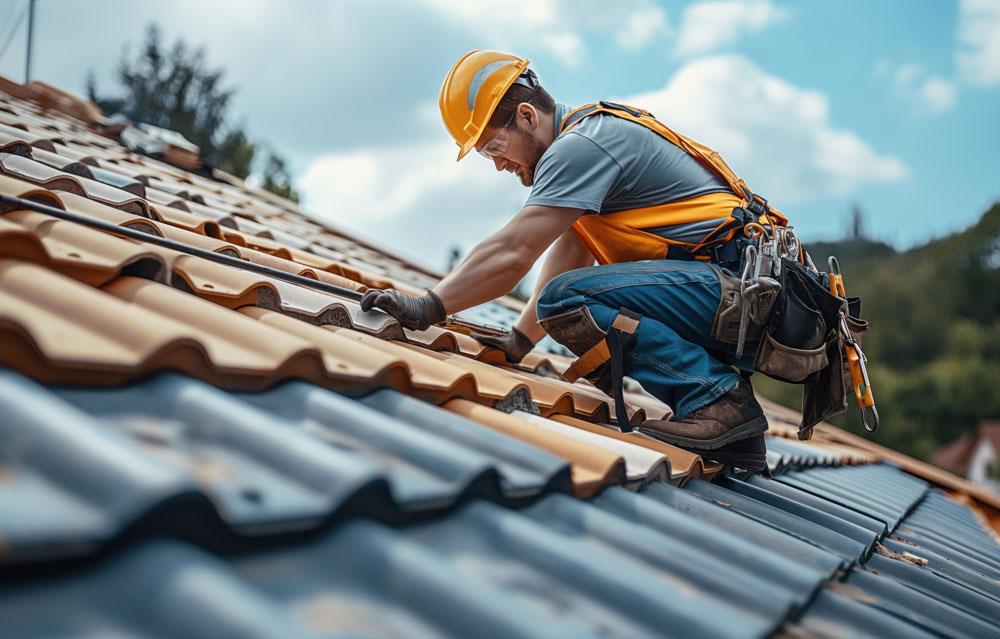
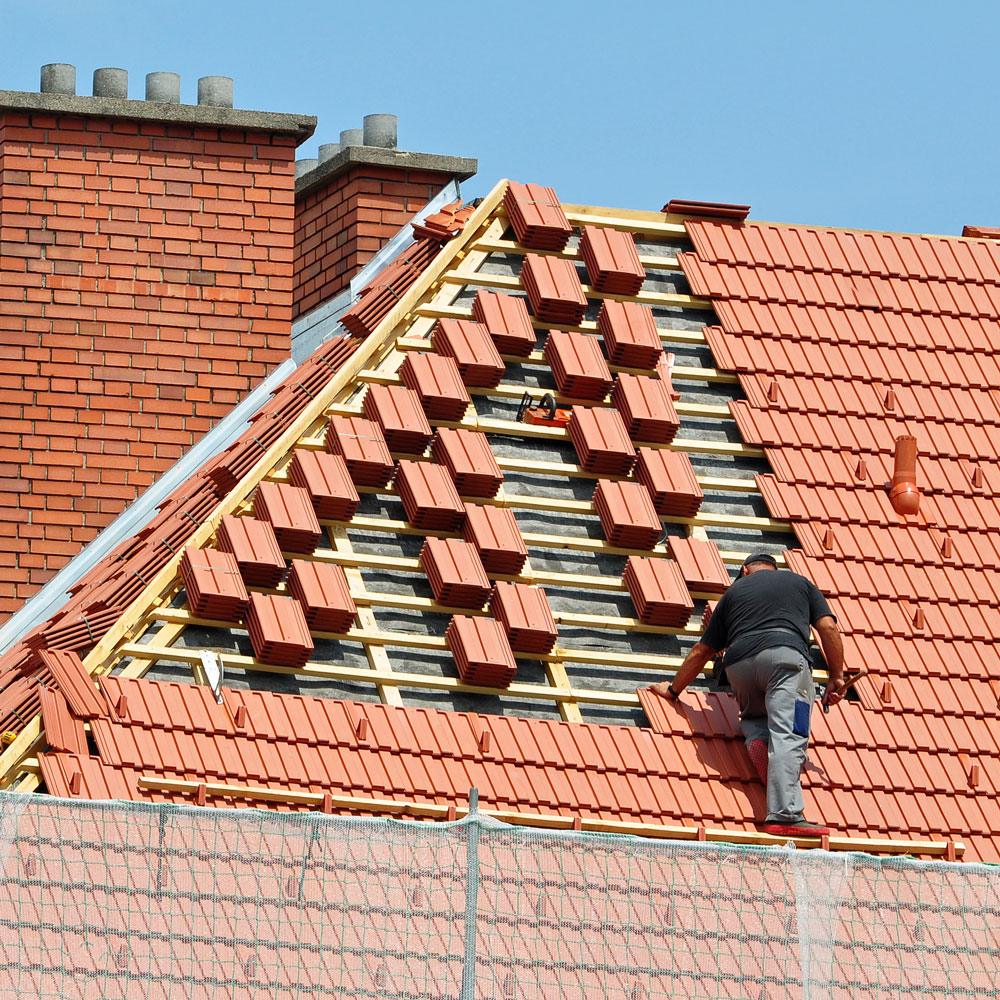
Slipped or fallen roof tiles are a fairly common issue across UK homes, and it’s something many homeowners only notice once there’s a visible gap or debris on the ground. In areas like Preston, where wind and rain are a regular part of the weather, roofs tend to take a bit more of a beating over time.
What might seem like a minor issue at first can quickly turn into something more serious if it’s left alone.
It’s not just about appearance either. Missing or displaced tiles can allow water to get into the roof structure, which may lead to damp patches, insulation problems, or even timber damage.
Catching the cause early often makes a big difference, both in terms of cost and the extent of repairs needed.
Ageing Roof Materials
Over time, roofing materials naturally begin to wear down. Clay and concrete tiles, while durable, can become brittle after years of exposure to the elements.
This means they’re more likely to crack or shift out of place, especially during periods of bad weather. Even if the tiles themselves look fine from the ground, there may already be an underlying weakness.
It’s not just the tiles that age, either. The components holding them in place, such as nails and battens, can deteriorate as well.
Once these start to fail, tiles lose their secure fixing and may gradually slip, sometimes without any obvious warning.

Poor Installation or Workmanship
In some cases, the issue can be traced back to how the roof was installed in the first place.
If tiles haven’t been fixed correctly or the spacing is slightly off, they may not sit as securely as they should. This kind of problem doesn’t always show up straight away, which can make it a bit misleading.
Months or even years after installation, you might start to notice tiles shifting or slipping, particularly after heavy wind or rain.
It’s often a sign that corners may have been cut during the original work, or that proper fixing methods weren’t followed.
Weather Damage and High Winds
The UK climate plays a big role in roof wear and tear. Strong winds, especially during storms, can get underneath tiles and lift them out of position.
Once a tile has moved even slightly, it becomes more vulnerable to further movement or complete dislodgement.
Repeated exposure to rain and temperature changes also adds to the problem.
Freeze-thaw cycles, where water gets into small gaps and expands when frozen, can gradually force tiles apart. Over time, this pressure may be enough to cause tiles to slip or fall away entirely.
Roof Structure Movement
Buildings naturally shift over time, even if it’s only slightly. This can be due to settling foundations, changes in temperature, or moisture levels affecting the materials.
While this movement is usually minimal, it can still have an impact on the roof.
As the structure adjusts, it may alter the alignment of tiles or create small gaps.
These changes might not be obvious straight away, but over time, they can reduce how securely tiles are held in place, making them more prone to slipping.
Faulty or Deteriorated Fixings
Tiles rely heavily on the fixings beneath them to stay secure. Nails, clips, and battens all play a role in holding everything in position.
If any of these begin to fail, the tiles above can quickly become loose.
Rusting nails or rotting timber battens are fairly common issues, particularly on older roofs.
Once these components weaken, even a relatively minor weather event can be enough to dislodge tiles that would otherwise have stayed in place.
Moss, Debris, and Water Build-Up
Moss and debris might seem harmless, but they can cause more problems than people expect.
Moss tends to hold onto moisture, which adds extra weight to the roof and keeps surfaces damp for longer periods. This constant moisture can slowly weaken both tiles and fixings.
Leaves and debris can also block drainage paths, allowing water to build up in certain areas.
Over time, this trapped water may work its way under tiles or create pressure points, increasing the likelihood of them slipping out of place.
Lack of Regular Maintenance
Roofs are often out of sight, so they don’t always get the attention they need.
Small issues like a slightly loose tile or minor damage can easily go unnoticed until they become more serious. Without regular checks, these problems tend to build up.
Routine inspections, even just once or twice a year, can help spot early signs of wear.
Addressing minor issues early usually prevents them from turning into larger, more expensive repairs later on.
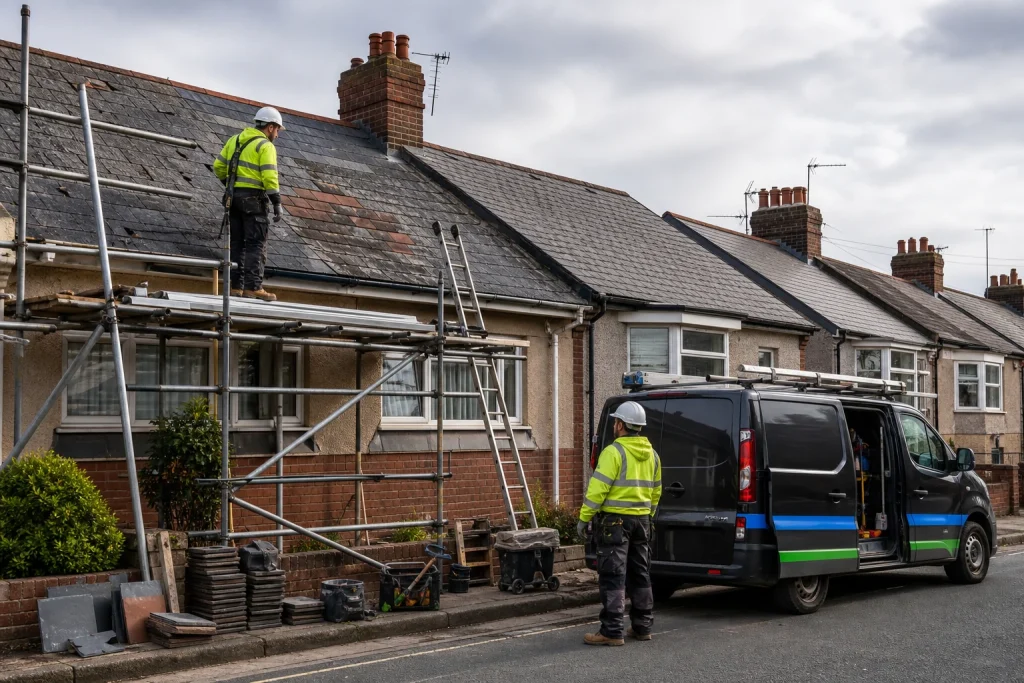
When to Call a Professional Roofer
If you’re noticing repeated tile slippage or visible gaps in your roof, it’s probably time to get it looked at properly.
While it might be tempting to ignore a single slipped tile, recurring issues often point to something deeper going on beneath the surface.
A professional roofer can assess the condition of both the tiles and the underlying structure.
In many cases, a targeted repair is all that’s needed, but catching it early can make all the difference in avoiding more extensive work.
Conclusion
Tiles slipping or falling off rarely comes down to a single cause. It’s usually a combination of ageing materials, weather exposure, and how well the roof was installed in the first place.
Each factor adds a bit of pressure over time, eventually leading to visible issues.
Dealing with the problem early is often the best approach. Keeping an eye on your roof and acting when something doesn’t look quite right can help maintain its condition and avoid more serious damage down the line.