When a roof needs replacing, many homeowners focus on the tiles, felt, battens and final finish. Access is often treated as a side issue, yet it has a major effect on how neatly and efficiently the work is carried out.
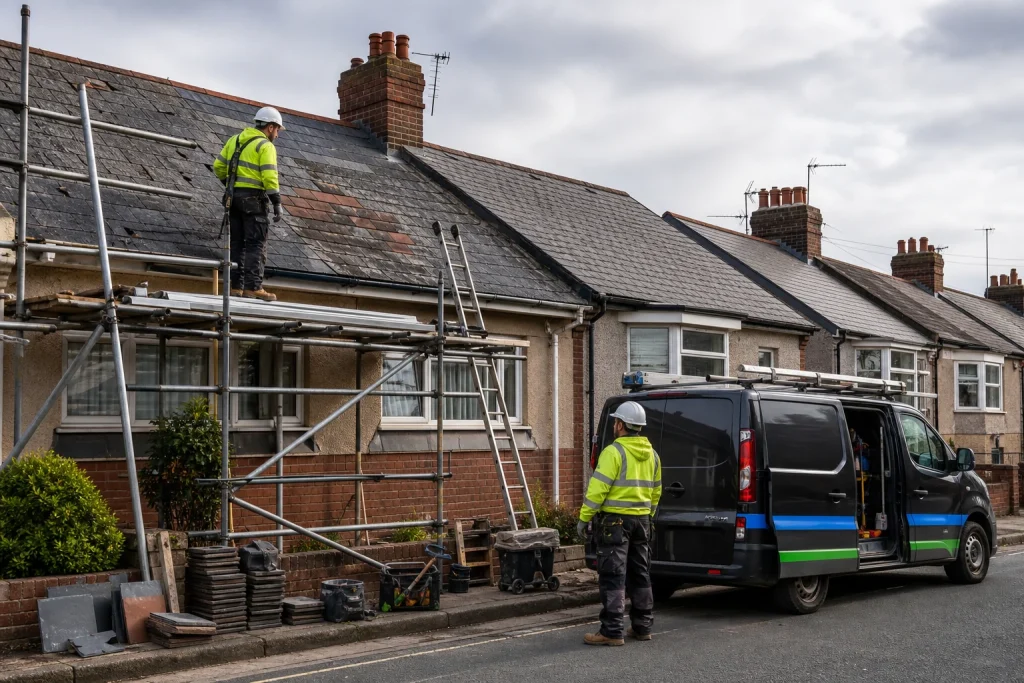
Scaffolding gives roofers a stable working platform around the property. It helps the team move materials, protect key areas and keep the job organised from the first strip back to the final checks.
Why access planning matters before replacement begins
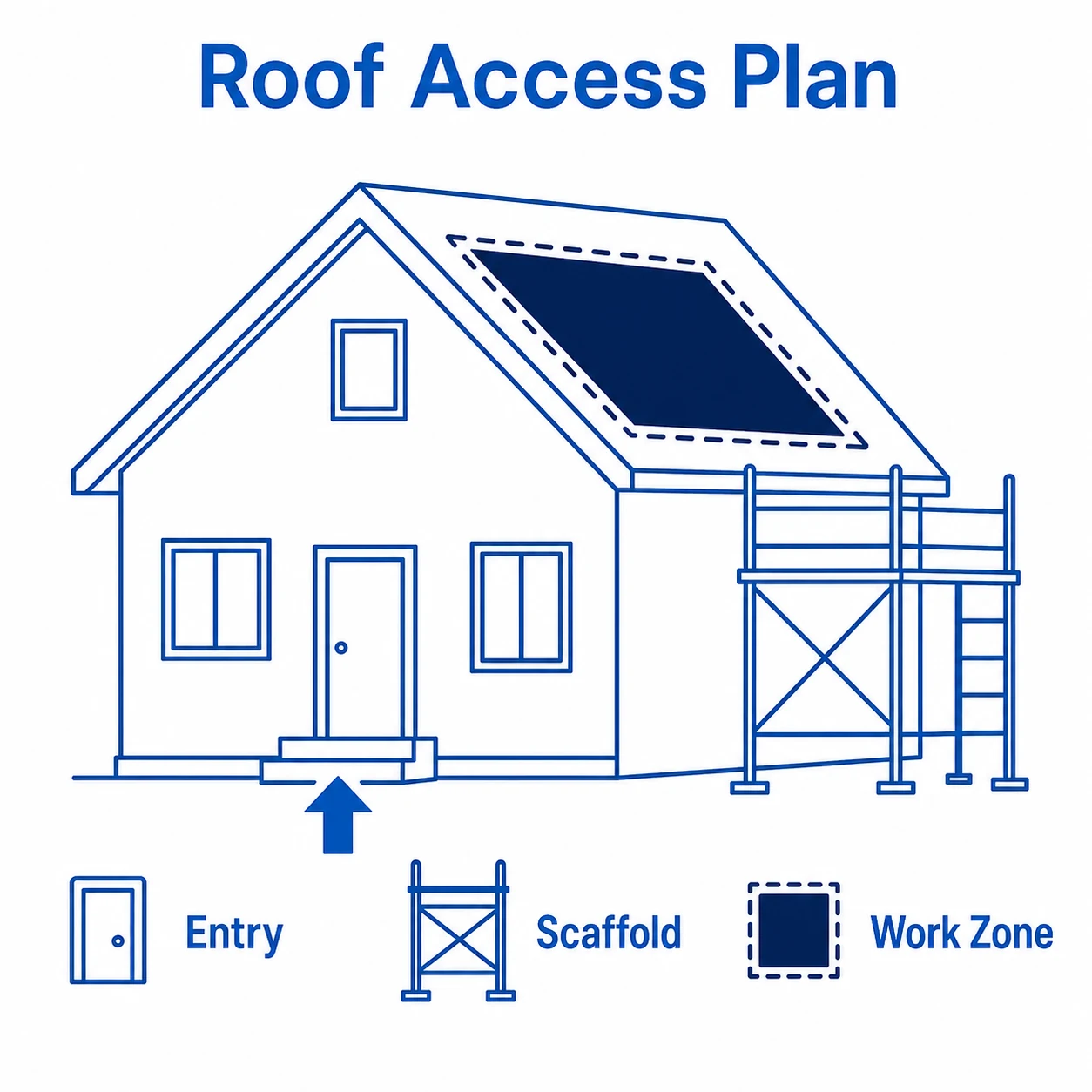
A roof replacement is not just a matter of removing old coverings and fitting new ones. The team needs to reach the roof safely, move materials in the right order, work around gutters and chimneys, and keep the property below protected while the roof is open.
Good access planning starts before work begins. A roofer will look at the shape of the roof, the height of the building, the position of adjoining properties, access at ground level and the safest way to get materials to and from the roof. This helps avoid uncertainty once the job is underway.
For homeowners, this planning can make the whole project feel calmer. You know where access will be needed, how the team will work around entrances and garden areas, and what to expect when materials arrive. If you are still deciding whether replacement is the right route, a clear explanation of the process on a roof replacement service page can help you understand what is usually involved.
The main point is simple. A well planned scaffold is part of the job, not an afterthought. It supports safer working, better organisation and a more predictable replacement from start to finish.
How scaffolding supports safer roofing work
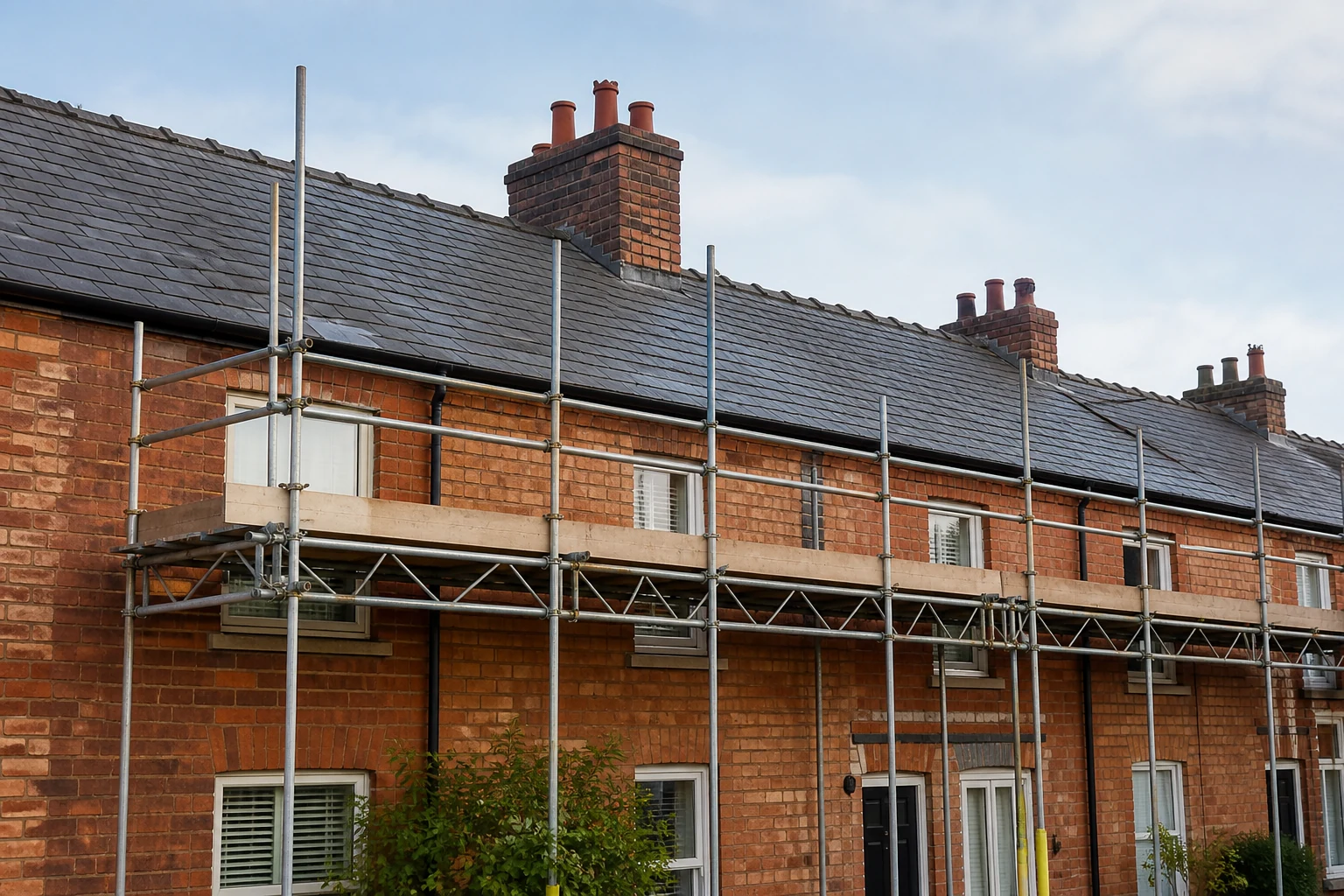
Roofing work involves height, uneven surfaces and changing weather. Ladders may be useful for inspection or small access tasks, but they are not the same as a working platform for a full replacement. Scaffolding gives roofers room to stand, handle tools and move materials with more control.
A proper platform also helps roofers work on edges, eaves, verges, chimneys and valleys without stretching awkwardly. These areas need careful attention because they are often where water entry problems begin. If access is poor, even simple tasks can become harder than they should be.
Scaffolding also helps reduce unnecessary movement through the property. Materials can be raised externally, old coverings can be removed in a controlled way, and roofers can move along the scaffold rather than repeatedly climbing up and down. This keeps the work area more organised.
Homeowners sometimes ask whether scaffolding is always needed. The honest answer is that it depends on the property and the scope of work. For a full replacement, it is commonly the right approach because the job involves sustained work across the roof, not a brief repair to one small area.
Helping the strip out and build up stages run in order

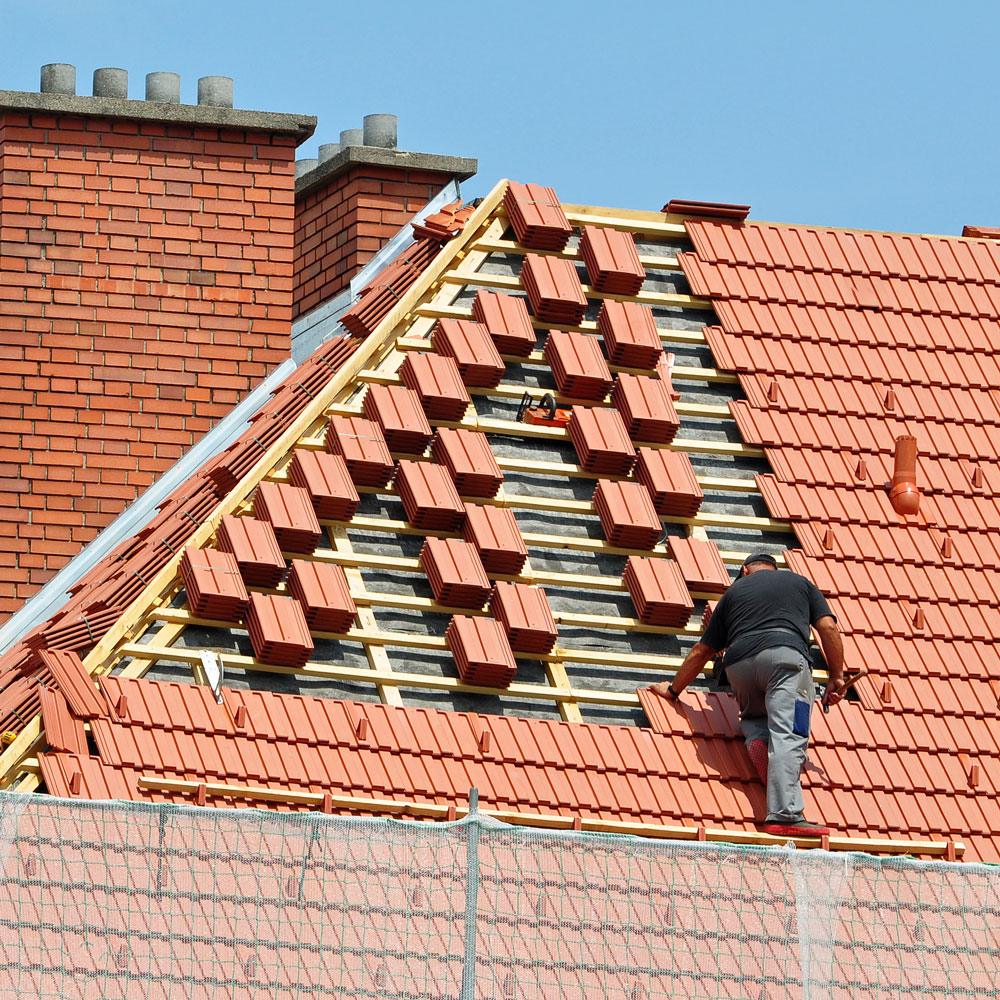
Replacing a roof normally follows a logical sequence. The existing covering is removed, the condition of the deck or rafters is checked, old battens and underlay are dealt with, new breathable membrane and battens are installed, and the final roof covering is laid. Details such as ridges, hips, valleys, leadwork and gutters are then completed or checked.
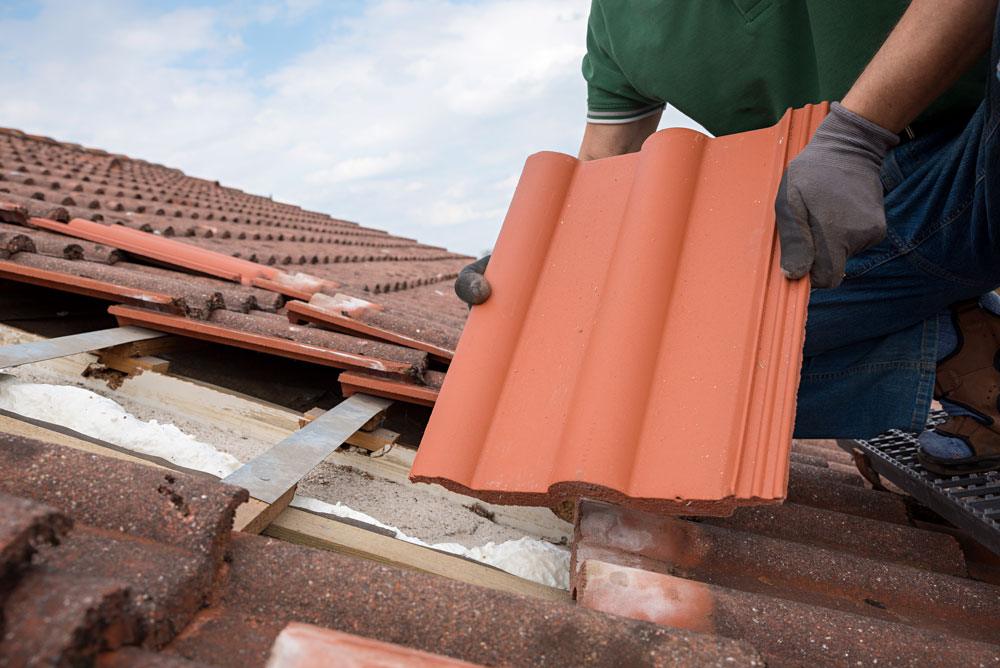
Scaffolding supports each stage because it gives the team space to work in an orderly way. Old tiles or slates can be removed section by section. New materials can be positioned close to where they are needed. Waste can be lowered without crowding the roof surface.
This matters because roof replacement is a sequence of connected tasks. If one stage is rushed or cramped, it can affect the next. A stable access setup helps the team keep materials separated, protect the roof structure during the work and maintain a tidy rhythm as the job progresses.
If you want a fuller picture of the replacement sequence itself, the guide to what happens during a roof replacement explains the main stages in more detail.
Reducing avoidable disruption around the home
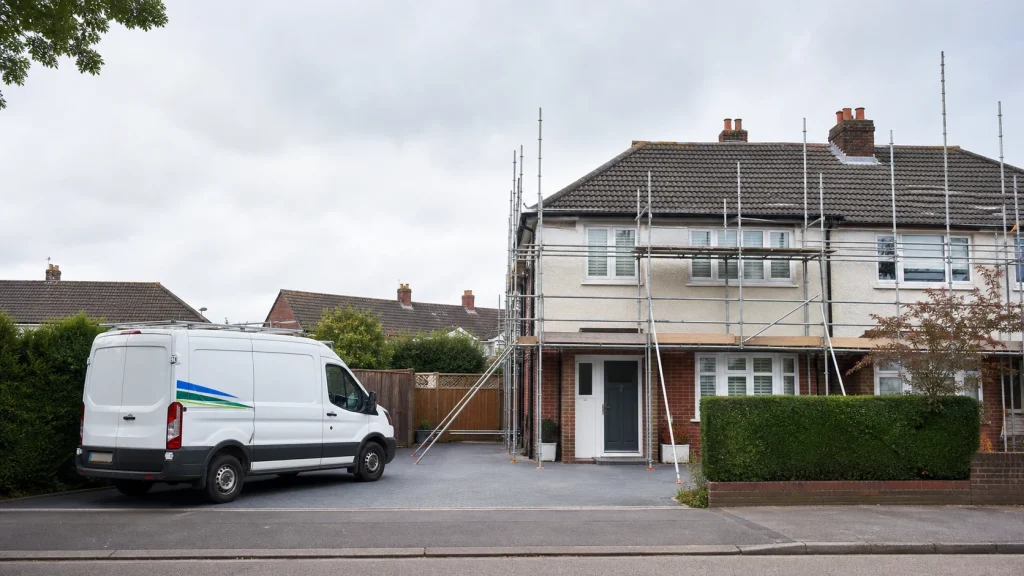
One of the biggest concerns for homeowners is how roof replacement will affect daily life. Scaffolding helps because it creates a clear working zone outside the property. The team can access the roof without relying on internal routes, and the layout can usually be planned so key entrances remain usable where practical.
It also gives roofers somewhere to set up for repeated tasks. Instead of constantly repositioning ladders or moving tools from ground level, they can work from a platform that follows the roofline. This keeps the job more structured and can make communication easier throughout the project.
Before work begins, it is sensible to ask where the scaffold will be placed, how long it is expected to remain, whether any gates or access paths need to be kept clear, and how the team will manage deliveries. These are practical questions, not awkward ones. A professional roofer should be able to explain the plan clearly.
It is also worth asking how the property will be left at the end of each working day. Roofing work often involves exposed areas during the replacement process, so temporary protection and tidy site management are important parts of the service.
Better access to roof details that need care
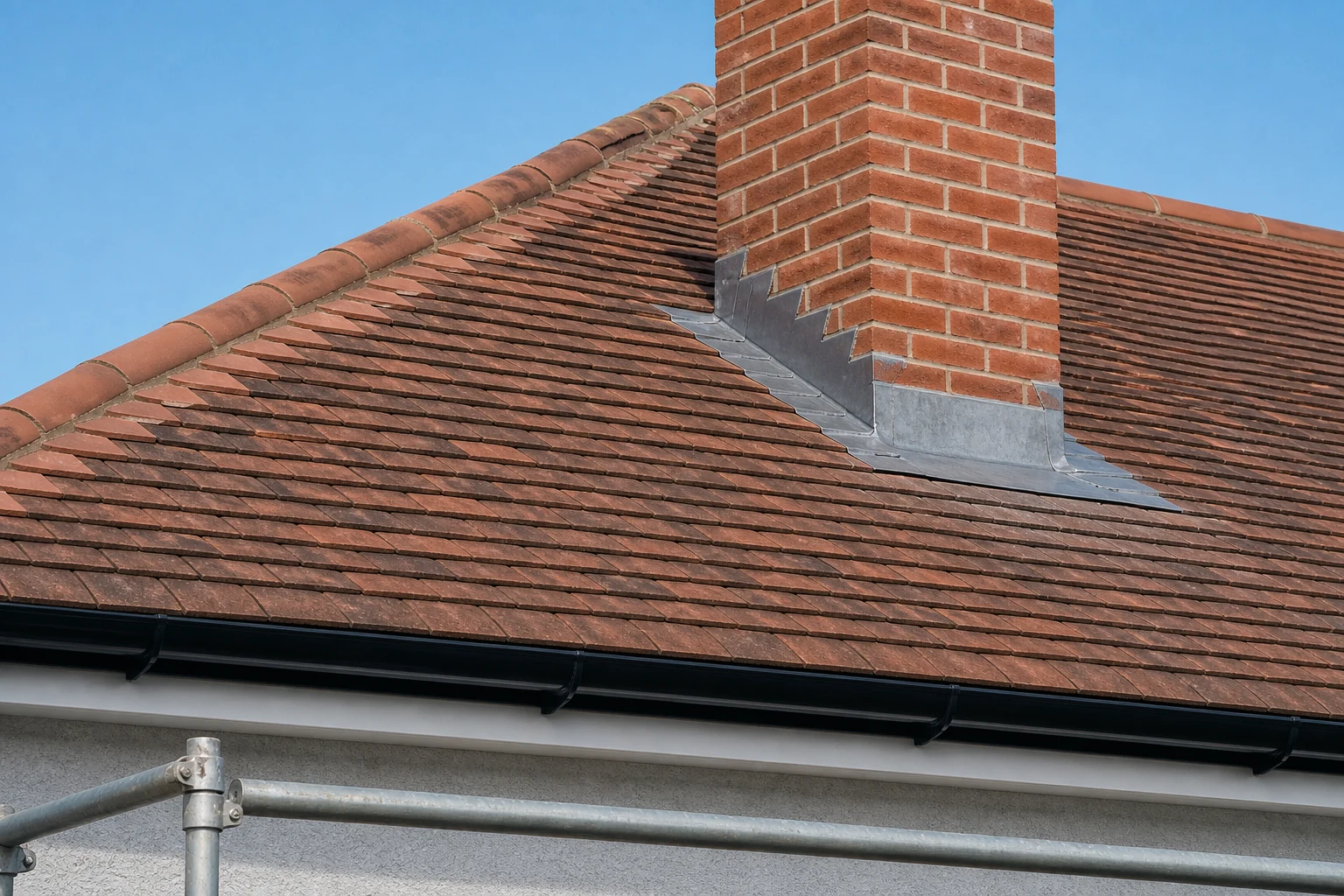
The main roof covering is only one part of a successful replacement. The details around the edges and junctions matter just as much. Eaves, gutters, valleys, ridges, hips, abutments and chimney flashings all need careful work because they help direct water away from the property.
Scaffolding gives roofers the time and position needed to handle these details properly. For example, work around a chimney can involve removing old material, preparing surfaces, fitting or dressing flashing and checking how it connects with the surrounding roof covering. That is much easier to do from a stable platform than from a restricted ladder position.
Good access can also make it easier to spot related problems while the roof is open. Older roofs may reveal damaged battens, tired underlay, slipped coverings, poor ventilation or previous patch repairs. If recurring issues have led you to consider a bigger project, the guide on when repeated roof repairs point to roof replacement may help you weigh up the signs.
The benefit for the homeowner is not just neat workmanship on the day. It is confidence that the important junctions have been given proper attention rather than treated as awkward extras.
What to ask your roofer about scaffolding
You do not need to become a scaffolding expert before arranging roof replacement. You only need enough information to understand how the job will be managed. Clear answers at the start help prevent confusion later.
Useful questions include:
- Will the roof replacement need scaffolding, and what areas will it cover?
- How will access to doors, paths, drives or shared areas be managed?
- Where will materials and waste be placed during the work?
- How will gutters, windows and surrounding areas be protected?
- Who is responsible for arranging scaffold delivery, inspection and removal?
The answers should be practical and specific to your property. A professional roofer should explain why the scaffold is needed, how it supports the work and what you should expect before, during and after the replacement.
If you are comparing contractors, access planning is one of the signs of a careful approach. The article on questions homeowners should ask before hiring a roofing contractor gives more useful prompts for choosing with confidence.
- Scaffolding is part of good roof replacement planning, not just an access extra.
- A stable platform helps roofers work safely and carefully around edges, chimneys, gutters and junctions.
- Clear access planning can make the project feel more organised for the homeowner.
- The best scaffold setup depends on the property, the roof shape and the scale of the replacement.
- Asking practical questions before work starts helps everyone understand how the job will be managed.
Frequently asked questions
Is scaffolding always needed for roof replacement?
For many full roof replacements, scaffolding is the most suitable access method because the work takes place across a large roof area over several stages. The exact requirement depends on the property, roof design and scope of work.
How does scaffolding help protect the property?
Scaffolding helps create a defined working area and gives roofers better control when moving materials, removing old coverings and working near gutters, windows and edges. It supports a more organised approach to the job.
Should I ask about scaffolding before accepting a roofing quote?
Yes. Ask whether scaffolding is included, where it will be placed, how access will be managed and who arranges removal. Clear answers help you understand the full plan before work begins.
Can roofers still work if the weather changes?
Roofers will assess conditions as the project progresses. Scaffolding gives safer access and can support temporary protection where needed, but the team should still make sensible decisions based on the weather and the stage of the work.
Plan your roof replacement with confidence
If you are thinking about replacing your roof, Roofer Preston can explain the access plan, the working sequence and the practical steps involved before the job begins.