
Most people don’t spend much time thinking about their roof. It’s out of sight, it does its job quietly, and when things seem fine indoors, it’s easy to assume everything above your head is fine too. The trouble is, roofs rarely fail all at once. Problems tend to build slowly, often showing subtle warning signs long before water starts dripping through the ceiling.
In Preston, where the weather can be unpredictable, and buildings vary widely in age, roof issues can develop faster than many homeowners expect. Spotting early signs of trouble may save you from far more expensive repairs later on.
Water stains and damp patches indoors
One of the most obvious indicators is staining on ceilings or upper walls. Brown or yellowish marks, flaking paint, or areas that feel damp to the touch usually suggest water is getting in somewhere. What catches people out is that the leak isn’t always directly above the stain. Water can travel along timbers and insulation before finally appearing inside.
Even small marks are worth taking seriously. A minor leak today may point to cracked tiles, worn flashing, or ageing felt that could worsen with the next heavy rainfall.
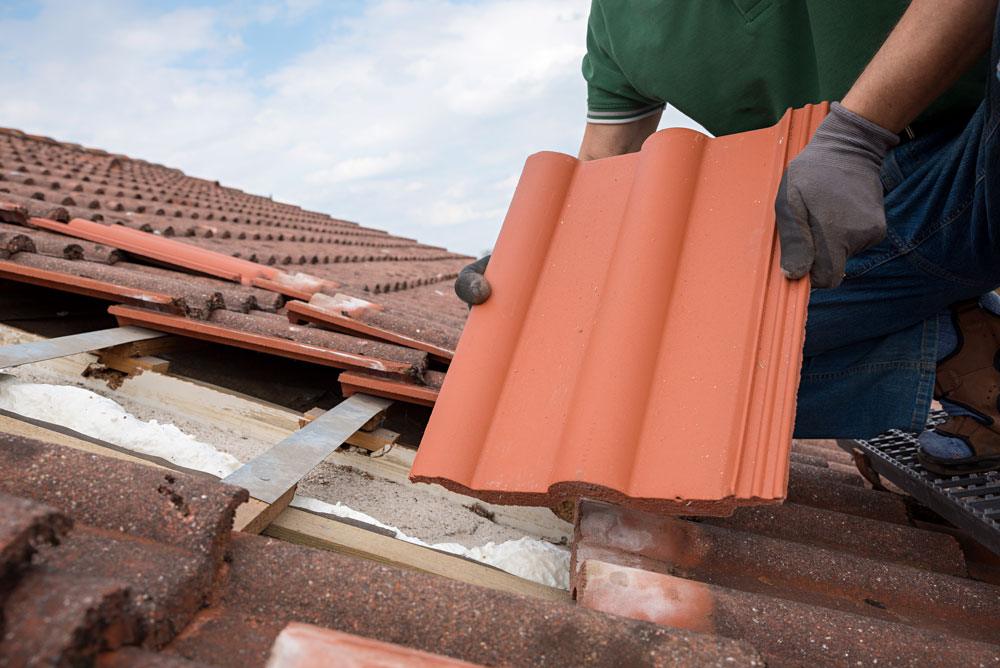
Missing, cracked, or slipped tiles
From ground level, your roof might look fine at a glance. A closer look, however, often tells a different story. Slipped tiles, hairline cracks, or sections that appear uneven are all signs that repairs may be needed sooner rather than later.
Tiles can shift due to high winds, temperature changes, or simply age. Once one tile moves, it can expose the underlay beneath, allowing moisture to creep in. Over time, that moisture may lead to rot, mould, or structural weakening.
Sagging or uneven roof lines
A roofline that appears to dip or sag is rarely a good sign. While some older properties may have slight settling, noticeable changes usually point to underlying issues. These could include water-damaged timbers, excessive weight from trapped moisture, or long-term neglect.
This is one of those warning signs that homeowners sometimes dismiss because it develops gradually. Yet it’s also one of the more serious indicators, and ignoring it could lead to major structural work down the line.
Blocked or overflowing guttering
Guttering problems often get treated as a separate issue, but they’re closely linked to roof health. If gutters overflow during rainfall, water may run back towards the roof edge instead of away from the property.
Over time, this can damage fascias, soffits, and even roof timbers. Persistent blockages may also indicate debris collecting on the roof itself, which can trap moisture and speed up wear.
Moss and algae growth
A small amount of moss might seem harmless, especially on older roofs. In reality, moss holds moisture against the roof surface, preventing tiles from drying out properly. During colder months, that trapped moisture can freeze and expand, causing tiles to crack or lift.
Heavy moss growth can also block drainage channels and add unnecessary weight. While cleaning alone won’t fix underlying issues, visible moss is often a sign that a roof inspection would be wise.
Daylight is visible in the loft
If you ever notice daylight coming through the roof while in your loft, it’s a clear sign that something isn’t right. Gaps between tiles, damaged felt, or poorly sealed areas may be allowing light – and potentially water – inside.
Even if there’s no current leak, those gaps will almost certainly cause problems during heavy rain or strong winds. A quick inspection at this stage may prevent internal damage altogether.
Increased energy bills
This one surprises many homeowners. A damaged roof doesn’t just let water in; it can also let heat out. Broken tiles, degraded insulation, or gaps in the roof structure may reduce your home’s ability to retain warmth.
If heating bills seem to be creeping up without an obvious explanation, roof condition could be part of the picture. Repairs may improve not only protection but also energy efficiency.
Drips, drafts, or strange smells in the loft
Occasional condensation is normal, especially in colder weather. Persistent damp smells, visible mould, or cold drafts in the loft are different matters entirely. These can suggest ventilation problems, leaks, or deteriorating materials.
Left unresolved, loft moisture can lead to timber decay and insulation failure, both of which are far more costly to put right later.
Flashing damage around chimneys and joints
Roof flashing is designed to seal vulnerable areas where materials meet, such as around chimneys, vents, and roof valleys. When flashing becomes loose, cracked, or corroded, leaks often follow.
Because flashing damage isn’t always visible from the ground, it’s a common source of “mystery leaks”. Water may enter only during certain wind directions or heavy rain, making the issue harder to pinpoint without professional inspection.
The roof’s age itself
Even if there are no obvious faults, age matters. Many roofing materials have a typical lifespan, and once a roof reaches that stage, small issues become more likely.
If your roof is 20, 30, or more years old and hasn’t been inspected recently, it may be wise to have it checked. Preventive repairs often cost far less than emergency work following sudden failure.
Why early action matters
One theme runs through all these warning signs: delay usually makes things worse. What begins as a minor repair can escalate into structural damage, internal repairs, and disruption to daily life.
In our experience, homeowners often say they “meant to get it checked” months or even years earlier. Acting early may feel unnecessary at the time, but it often proves to be the sensible option.
When to call a professional
If you’ve noticed one or more of these signs, it’s probably time to seek professional advice. A proper inspection can identify whether repairs are needed now or simply monitored over time.
Roofing issues aren’t always dramatic, but they rarely fix themselves. Getting ahead of problems may protect not just your roof, but the comfort and value of your home as well.