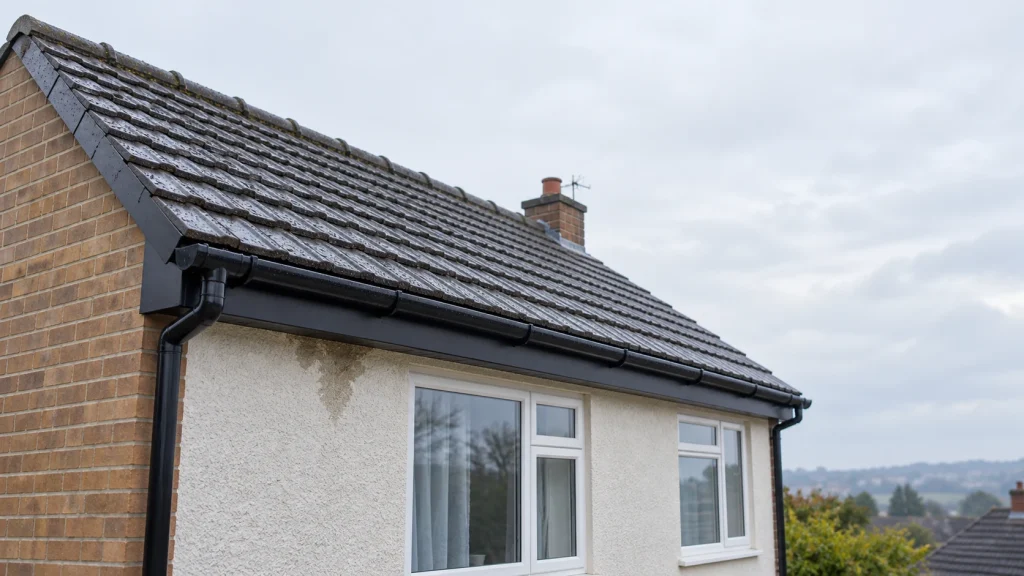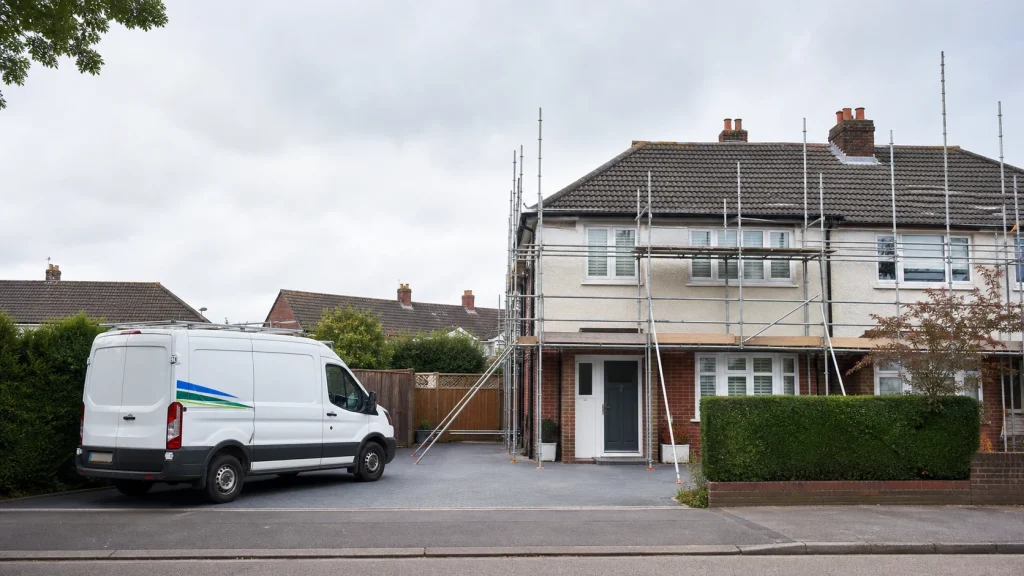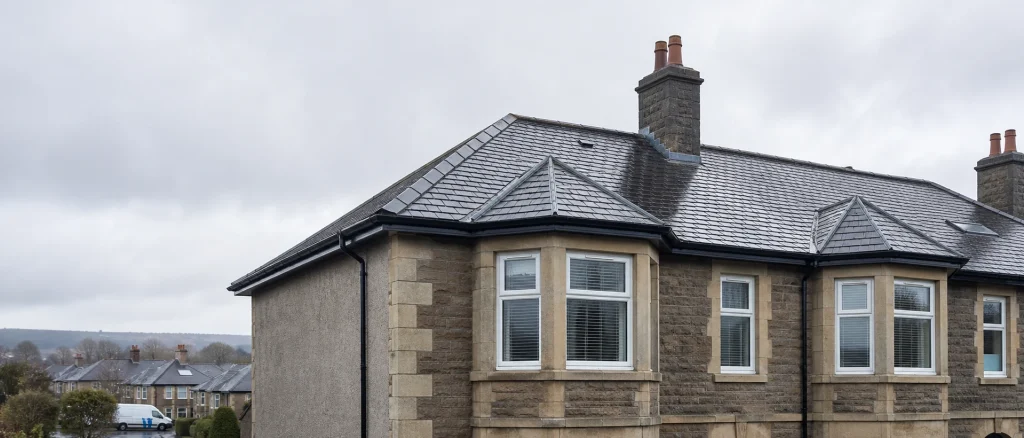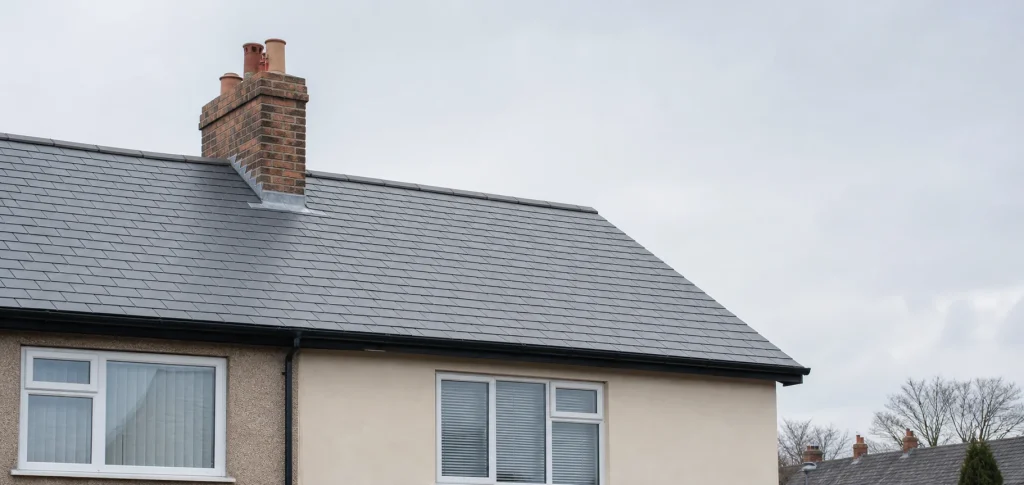

A roof replacement can feel like a big step, especially if you have never had major roofing work carried out before. Most homeowners want to know what will happen, how the house is kept protected and what the team will be doing at each stage.
The good news is that a well planned roof replacement follows a clear sequence. From scaffolding and careful stripping to checking the roof structure, fitting new materials and clearing the site, each stage has a practical purpose.
Before work begins
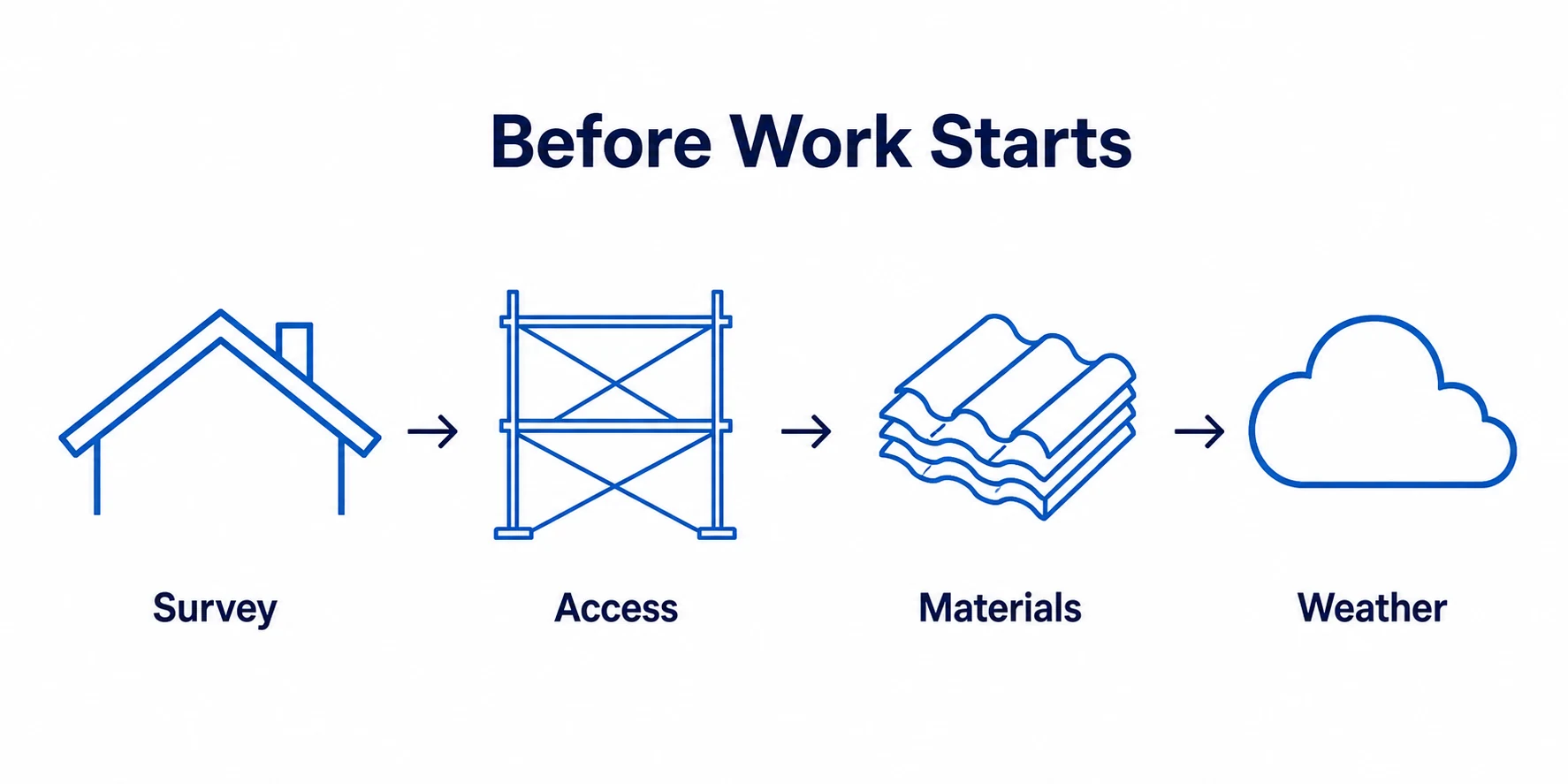
A roof replacement usually starts with a proper assessment of the existing roof. The roofer will look at the roof covering, ridge, verge, valleys, chimneys, flashings, gutters and any signs of movement or water ingress. Inside the loft, they may also check for daylight, staining, damp insulation or damaged timbers.
This stage helps confirm whether a full replacement is the right option, what materials are needed and whether any extra work may be required once the old covering is removed. If you are still weighing up whether replacement is needed, a guide to when repeated roof repairs point to roof replacement can help explain the decision in more detail.
The roofer should also discuss access, parking, scaffolding, skips, working hours and how the property will be protected. For many homeowners, this practical planning is just as important as the roofing materials themselves. A clear plan means the team can work methodically and the household knows what to expect.
Before the start date, it is sensible to move vehicles, garden furniture, pots and delicate items away from the working area. Inside the loft, cover stored belongings if possible, as dust and small debris can sometimes fall through gaps when old materials are removed.
Scaffolding and site protection

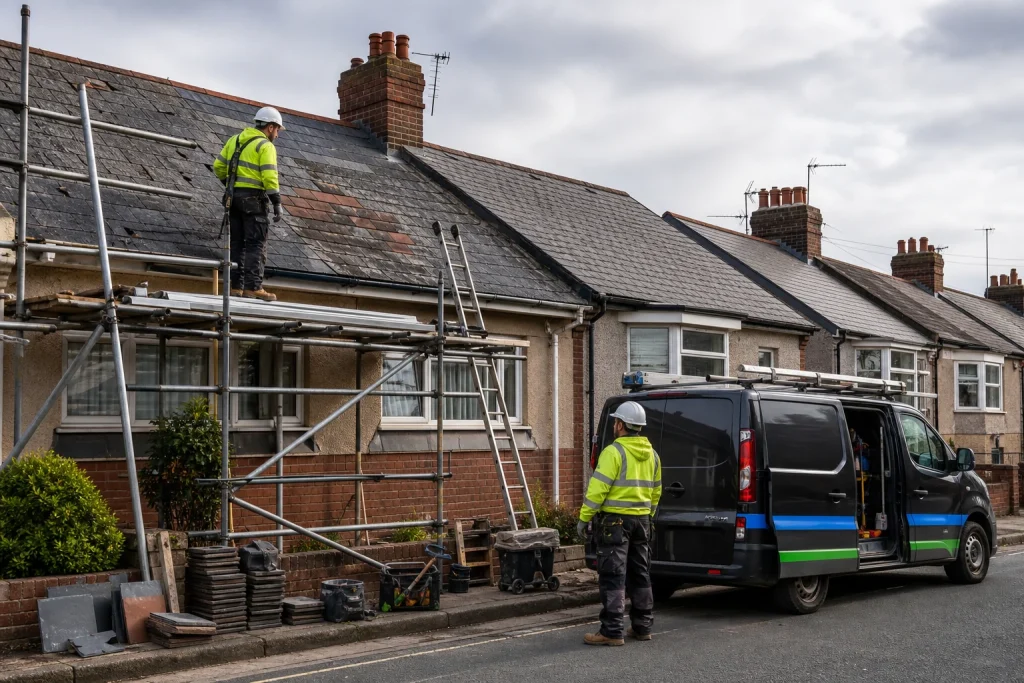
Scaffolding is normally one of the first visible steps. It gives roofers a stable working platform and helps them move materials safely around the roof. The layout depends on the property, roof shape and access, but it is usually arranged so the team can reach the main roof slopes, gutters, ridge and chimney areas where needed.
A good roofing team will think carefully about protection before stripping starts. They may use sheeting, boards or temporary covering to help manage debris and reduce the risk of damage around the property. The aim is to create a controlled working area, not simply to get old tiles off as quickly as possible.
Gutters, windows, paths, extensions and neighbouring boundaries may all need consideration. If the roof is close to another property, the roofer should explain how they will work around shared access, party walls or adjoining rooflines.
Weather is also part of the planning. Roofers work with forecasts and use temporary covering where appropriate. The house is not left exposed unnecessarily. Stripping and re covering are usually organised in manageable sections so protection can be maintained throughout the job.
Stripping the old roof covering
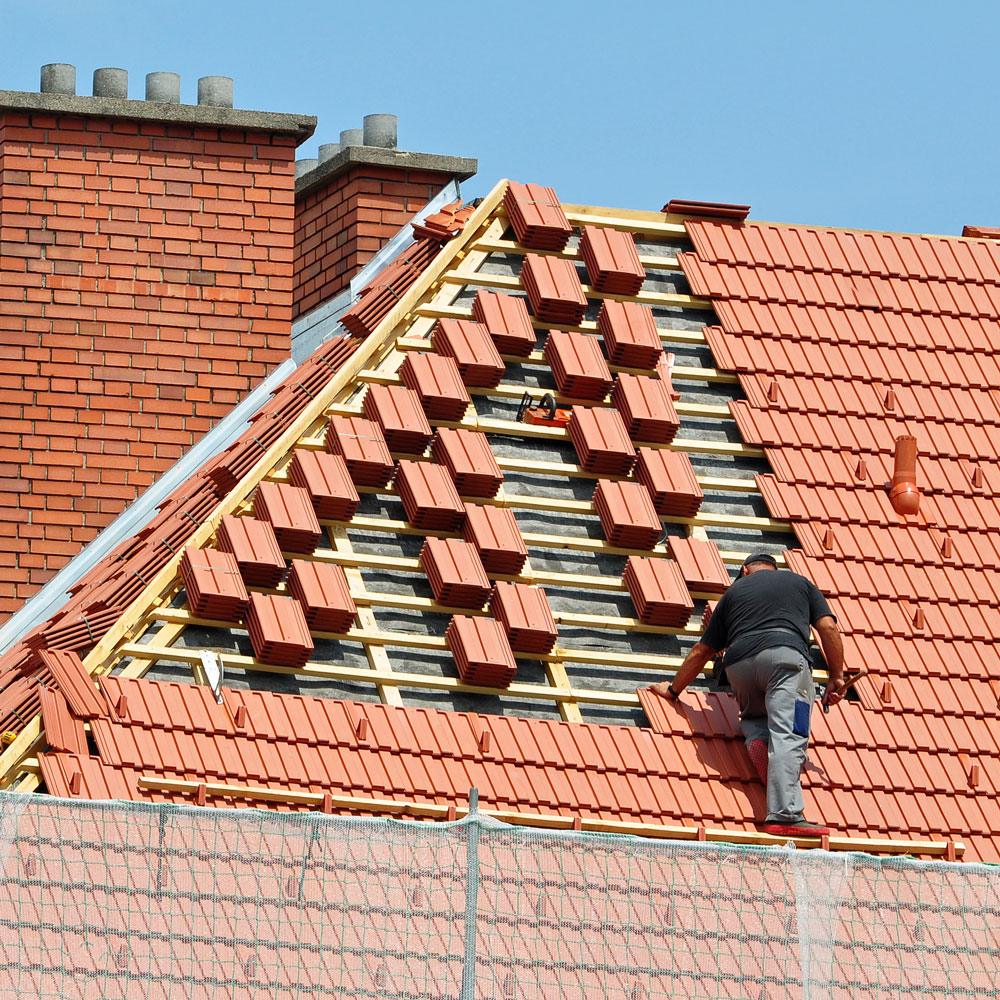
Once access is in place, the old roof covering is removed. This may include tiles, slates, ridge pieces, old mortar, battens, felt, flashings and fixings, depending on the condition of the roof and the specification for the replacement.
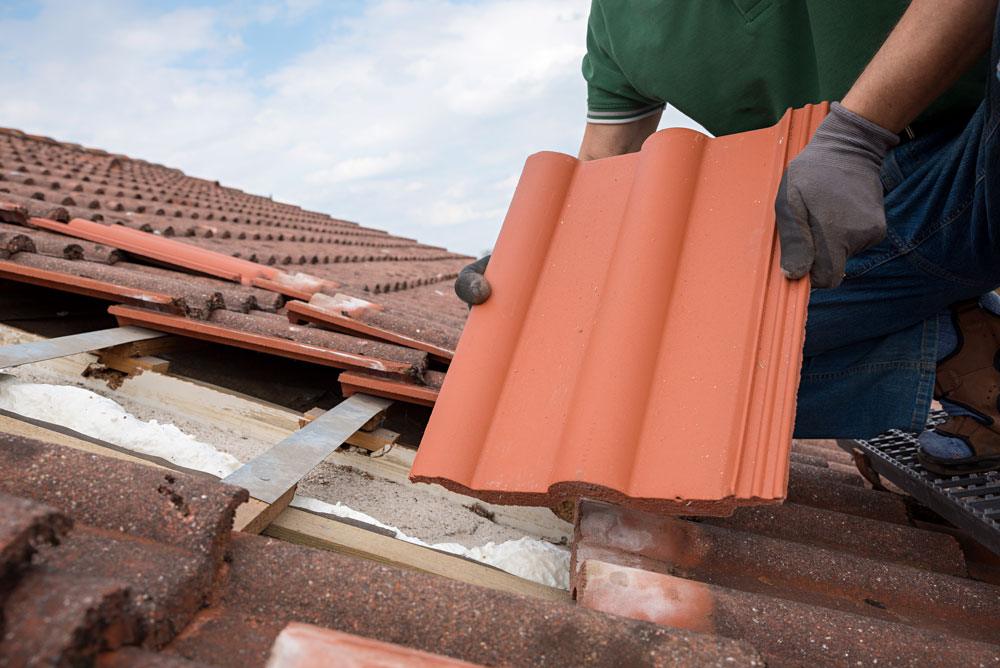
Tiles or slates are usually taken off carefully and lowered or moved to a controlled waste area. Some materials may be reusable in certain situations, but on many replacement projects the old covering has reached the end of its useful life and is removed from site.
This stage often reveals the parts of the roof that could not be fully seen during the original inspection. Old felt may be brittle, torn or sagging. Battens may be split, undersized or affected by moisture. Around chimneys, valleys and gutters, hidden defects can become clearer once the covering has been stripped.
If slipped or missing tiles were part of the original problem, it may help to understand what causes roof tiles to slip or fall off. The underlying cause is often more important than the visible tile itself, especially on an older or tired roof.
A trustworthy roofer will explain any findings before carrying out additional work that was not expected. Some discoveries are routine, such as replacing worn battens or improving ventilation. Others may need a more detailed conversation, particularly if structural timbers require attention.
Checking felt, battens and roof timbers
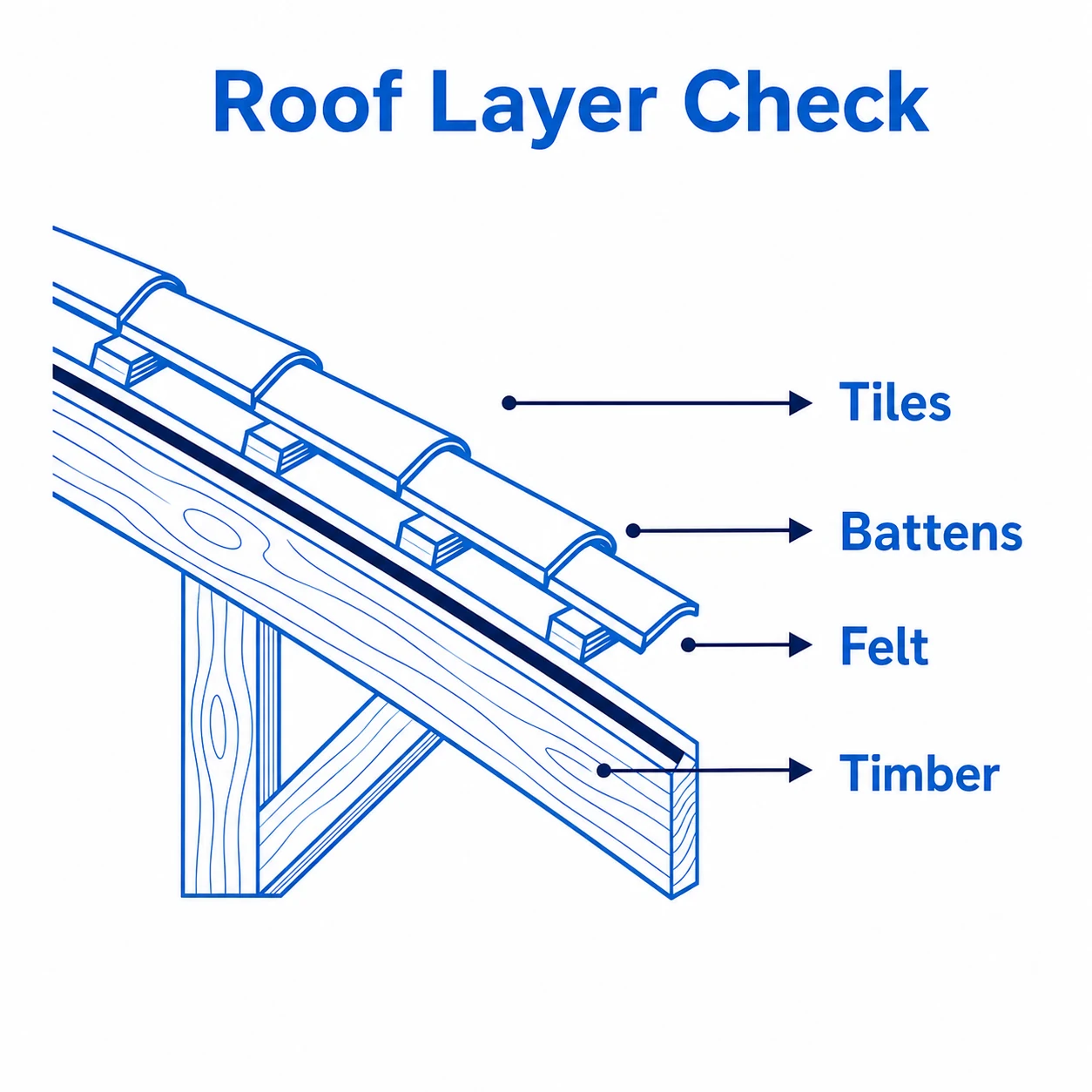
With the covering removed, the roof can be properly checked. This is one of the most valuable parts of a roof replacement because it allows problems to be corrected before the new covering goes on.
The felt, or roofing membrane, sits beneath the tiles or slates and helps manage wind driven rain and condensation. Older felt can tear, crack or lose flexibility. During a replacement, a modern breathable membrane is often fitted to improve protection and support better airflow when installed as part of the correct roofing system.
Battens are the horizontal timbers that tiles or slates fix onto. They need to be suitable, correctly spaced and securely fixed. If battens are worn, damp, poorly fixed or not appropriate for the new covering, they should be replaced. This gives the new roof a sound base.
The roofer will also look at rafters, valley boards, fascia lines and areas around chimneys or roof windows. Any rotten or weakened timber should be dealt with before the roof is closed up again. This is why a replacement is more than a cosmetic change. It is a chance to rebuild the weatherproof layer properly from the supporting structure upwards.
Ventilation should also be considered. Roof spaces need suitable airflow to help reduce condensation risk. The right approach depends on the roof design, insulation and chosen materials.
Fitting the replacement roof covering
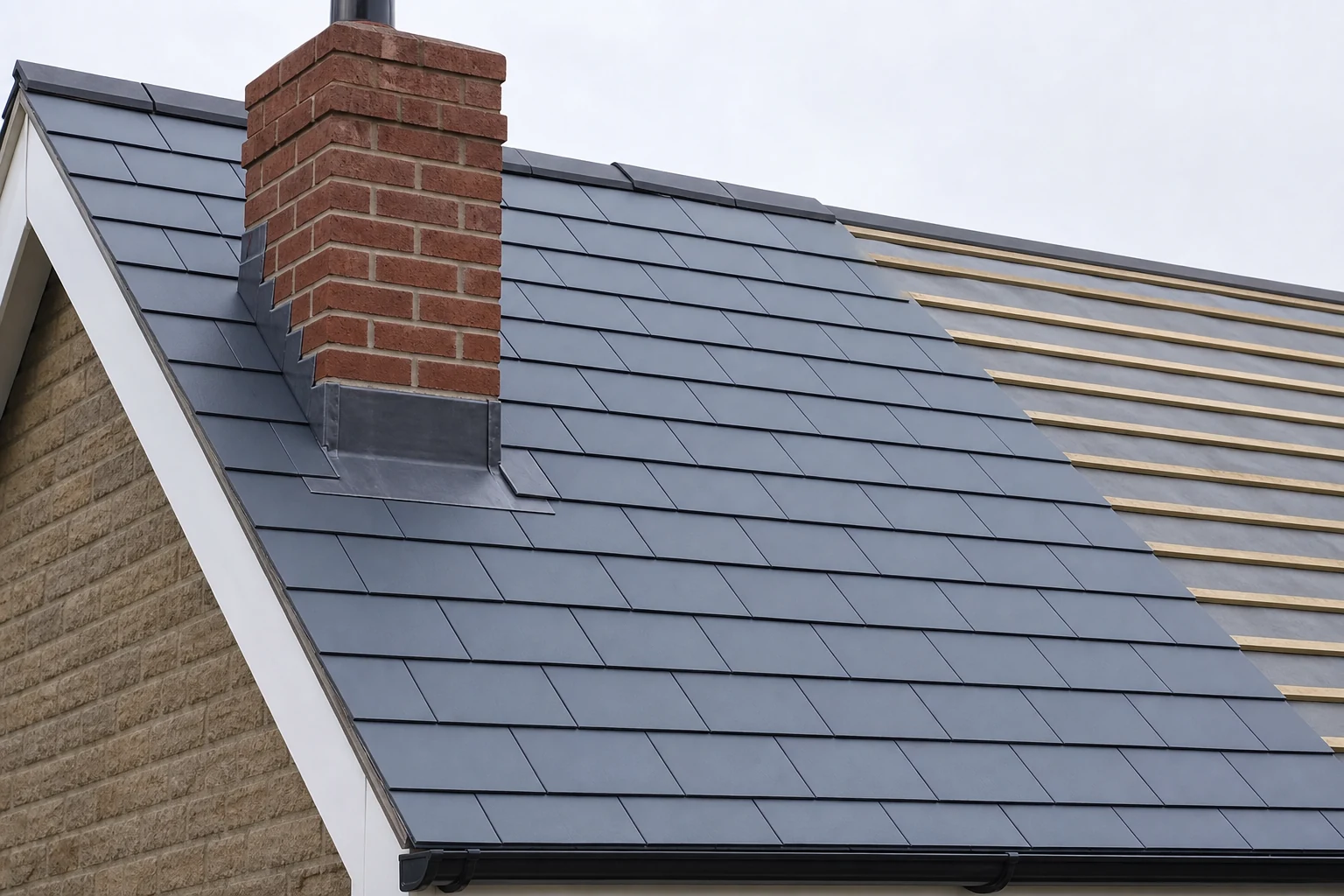
After the roof has been prepared, the new covering can be installed. The exact sequence depends on the roof type, but it usually includes fitting membrane, installing battens, setting out the roof covering and fixing tiles or slates in straight, secure courses.
Good setting out matters. Roofers need to judge tile spacing, overlaps, verge details, ridge lines and valley sections so the finished roof performs properly and looks neat. On pitched roofs, the work is usually built up from the lower edge towards the ridge.
Details around chimneys, abutments, valleys and roof edges are especially important. Leadwork or suitable flashing systems help stop water getting into vulnerable junctions. Ridge and hip systems need proper fixing. Verge details need to resist wind and rain.
If you are planning a project, the main roof replacement service page is the natural place to look for more information about arranging the work.
During installation, the team should keep checking alignment, fixings and weathering details. A roof replacement is not just about covering the roof quickly. It is about making sure each layer works with the next so the finished roof is secure, tidy and suitable for the home.
Keeping the property protected until completion
Homeowners often worry about what happens if weather changes while the roof is being replaced. A professional team plans the work so exposed areas are managed carefully. Temporary covering may be used where needed, and roof sections are usually approached in a way that avoids leaving large areas open without protection.
The team should also manage debris throughout the project. Roofing work can create dust, broken pieces of tile, old mortar and packaging from new materials. Regular tidying helps keep paths, access points and working areas safer.
As the roof nears completion, final details are checked. This can include ridge and hip work, verges, valleys, flashings, gutters and downpipes. The roofer may also inspect the loft again to make sure there are no obvious issues from inside.
Once scaffolding is ready to come down, the site should be cleared and waste removed. The finished roof should be left secure, weatherproof and visually consistent. If separate repair work is more suitable for a smaller issue in future, a dedicated roof repairs service can be useful for isolated damage or maintenance.
A good handover should leave you clear on what has been done, which materials were used and whether there are any maintenance points to remember. Keep any paperwork, guarantees or product details in a safe place for future reference.
- A roof replacement follows a clear sequence, starting with inspection, planning and safe access.
- Scaffolding helps roofers work safely and protect the property while materials are moved and removed.
- Stripping the old covering lets the team check felt, battens, flashings and hidden roof defects properly.
- The new roof covering depends on correct preparation, fixing, ventilation and weathering details.
- A professional team should keep the property protected, tidy the site and explain what has been completed.
Frequently asked questions
Do I need to move out during a roof replacement?
In many cases, homeowners can stay in the property while the roof is replaced. There will be noise and some disruption during working hours, so it is worth planning around that, especially if you work from home or have young children, pets or vulnerable occupants.
Will the house be exposed when the old tiles are removed?
A professional roofer should plan the work so exposed areas are controlled. Temporary covering can be used where needed, and stripping is usually managed in a practical sequence to help protect the property while work is underway.
What happens if damaged timbers are found?
If damaged or rotten timbers are discovered after the roof covering is removed, the roofer should explain the issue and the recommended repair before proceeding. It is better to deal with timber problems before the new covering is installed.
Can the same tiles or slates be reused?
Sometimes materials can be reused if they are in suitable condition and match the project requirements, but many roof replacements use new covering materials because the existing tiles, slates or fixings have reached the end of their useful life.
Planning a roof replacement?
If your roof is ready for replacement, speak with a roofing team that can explain the process clearly, protect your home properly and carry out the work with care from start to finish.