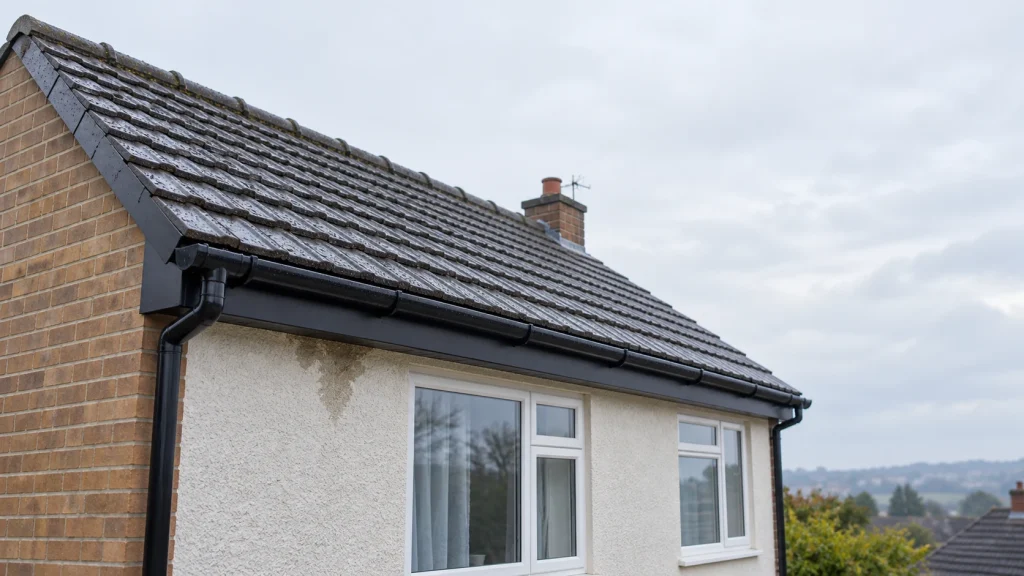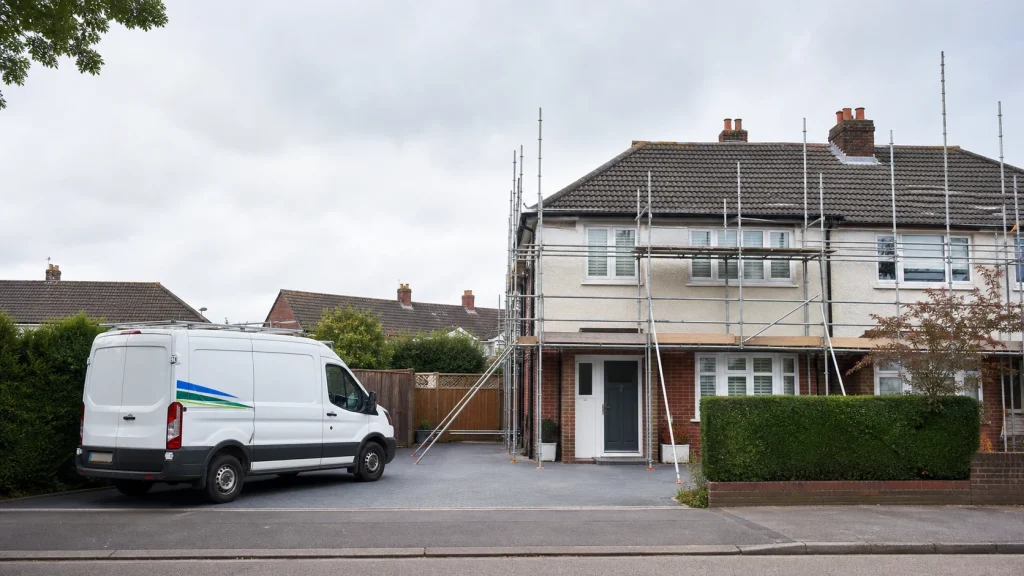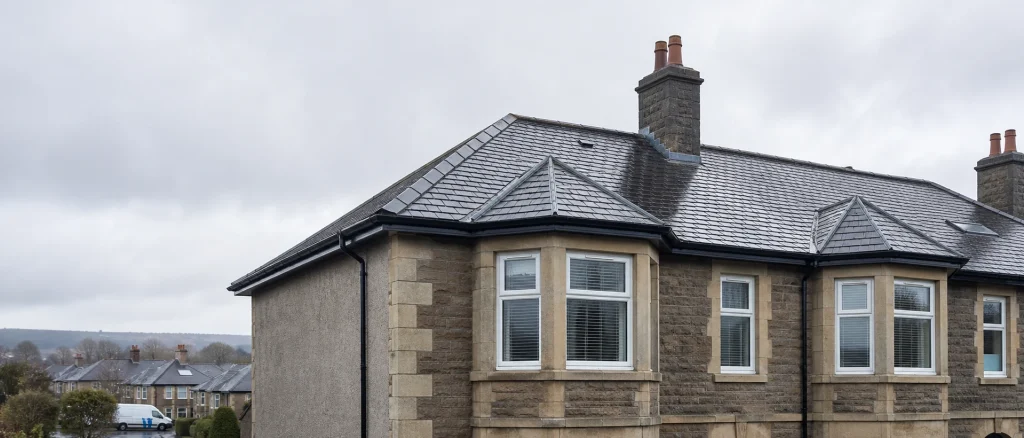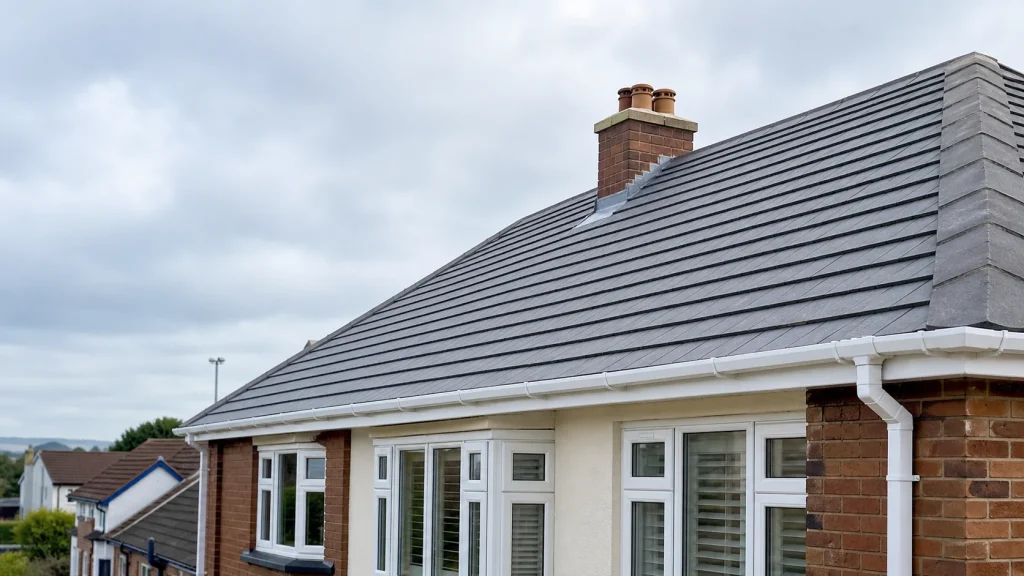
A leak near a chimney can be awkward to trace. The damp patch may appear on a ceiling, around a fireplace, inside a loft or down an internal wall, yet the fault itself is often outside, where the chimney stack meets the roof covering.
Chimney flashing is designed to close that junction and guide rainwater away. When it cracks, lifts, corrodes or separates from the brickwork, water can find a route beneath the tiles, into the roof felt and eventually into the home.
What chimney flashing actually does
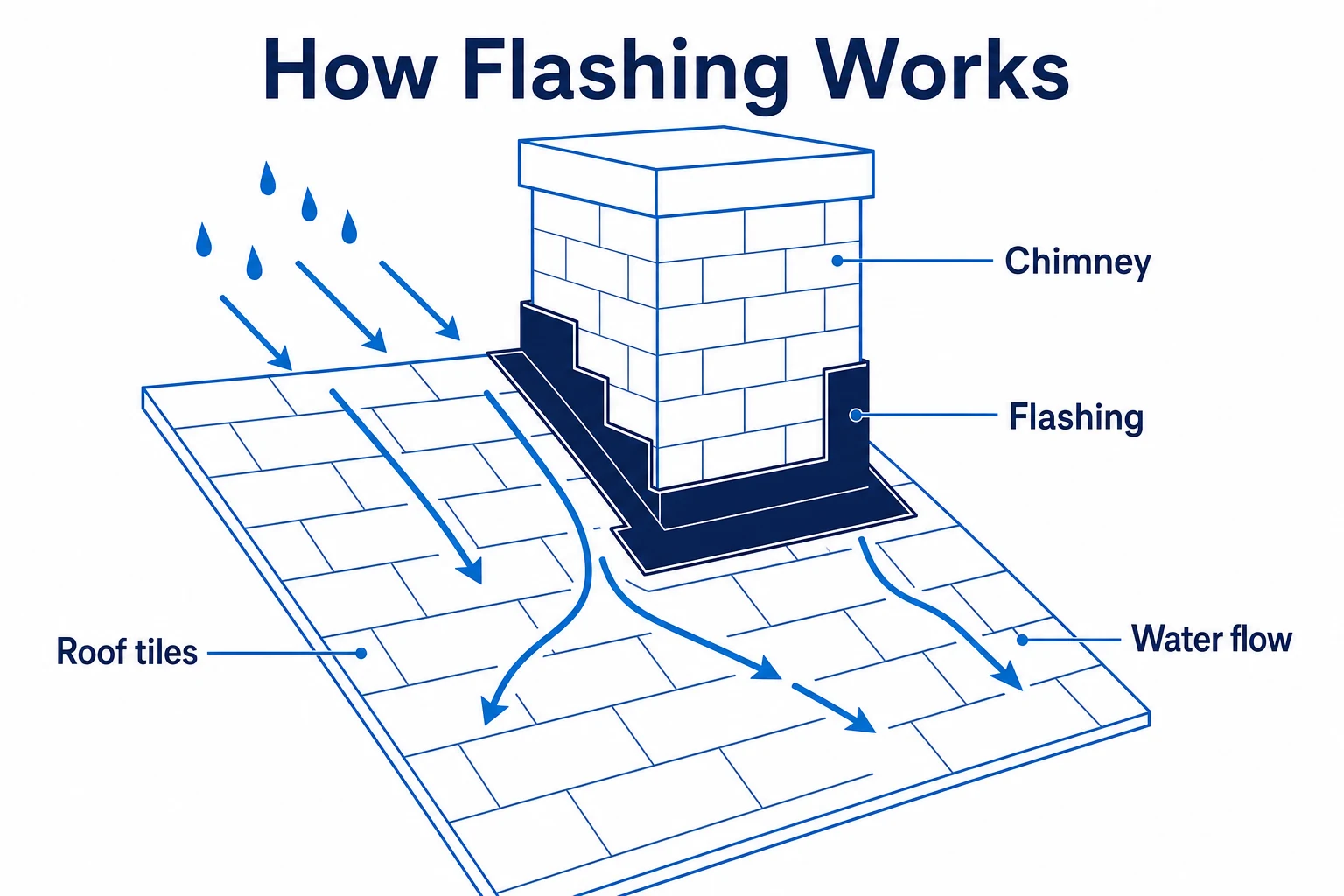
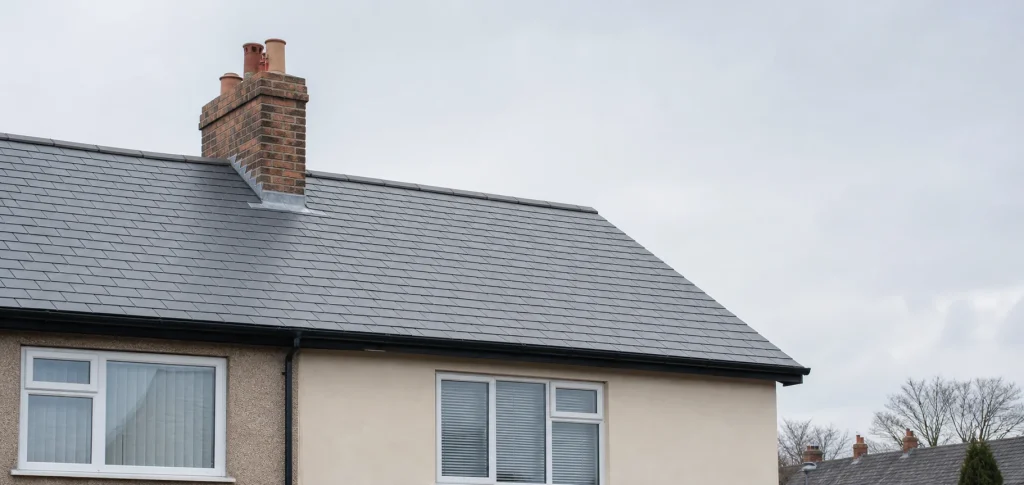
Chimney flashing is the weatherproof detail fitted around the base of a chimney stack. Its job is simple in principle, but very important in practice. It creates a barrier between the vertical brickwork of the stack and the sloping roof surface, where rainwater naturally gathers and runs.
On many roofs, flashing is formed from lead or another suitable roofing material. It usually includes sections at the front of the stack, the sides and the back, with stepped pieces following the courses of brickwork where needed. The detail may also include soakers beneath the roof covering and a back gutter or saddle to help move water around the stack.
Because this area has several changes of direction, it needs careful workmanship. Rain does not always fall straight down. Wind can push water sideways and uphill beneath loose edges. If the flashing is not dressed properly, chased into the masonry securely or finished with suitable pointing, the chimney can become one of the most vulnerable parts of the roof.
Why flashing faults are a common source of roof leaks
Flashing sits in a demanding position. It has to cope with rain, frost, wind movement, heat from the sun and the natural movement of the roof structure. Over time, even a small defect can become enough for water to get in.
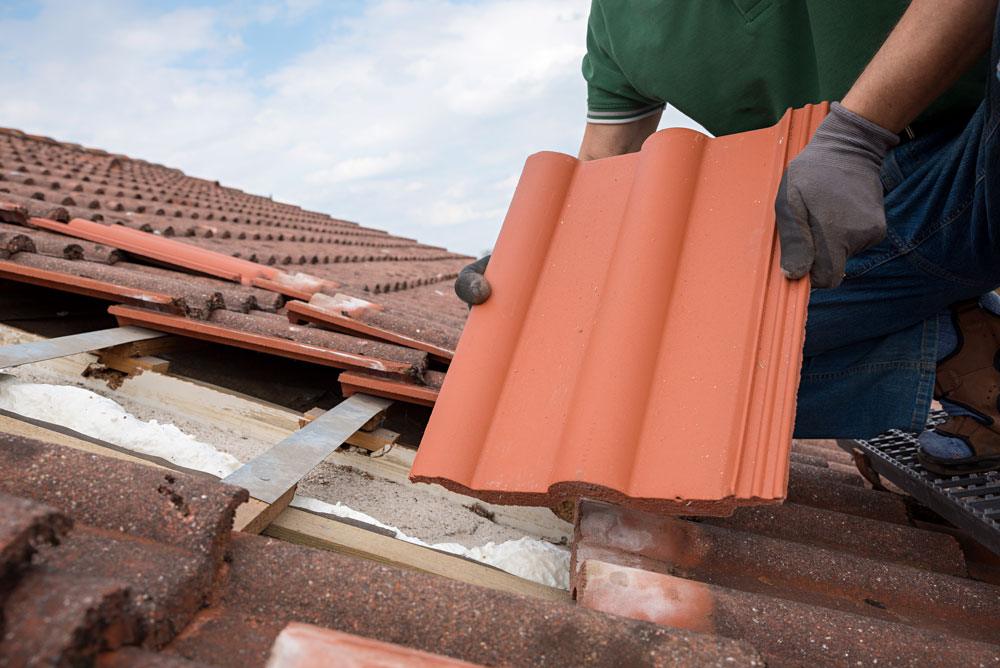
Common problems include cracked mortar where the flashing is fixed into the chimney, lifted or poorly dressed edges, splits in aged lead, loose sections around the stack and gaps caused by movement in the brickwork. Sometimes the flashing itself is intact, but the surrounding roof tiles, battens or underlay have deteriorated, allowing water to reach areas it should never reach.
Older chimney stacks can add further complications. Brickwork can become porous, flaunching can crack around the chimney pots and pointing can fail. When several of these issues occur together, the source of the leak can look unclear from inside the property. A damp mark below the stack does not always mean one single fault. It may be a combination of flashing, masonry and nearby roof covering issues.
If you are already noticing staining, dripping or damp smells after rainfall, professional roof leak repair can help identify the route of the water before the surrounding materials suffer more damage.
How water travels from the chimney into the home
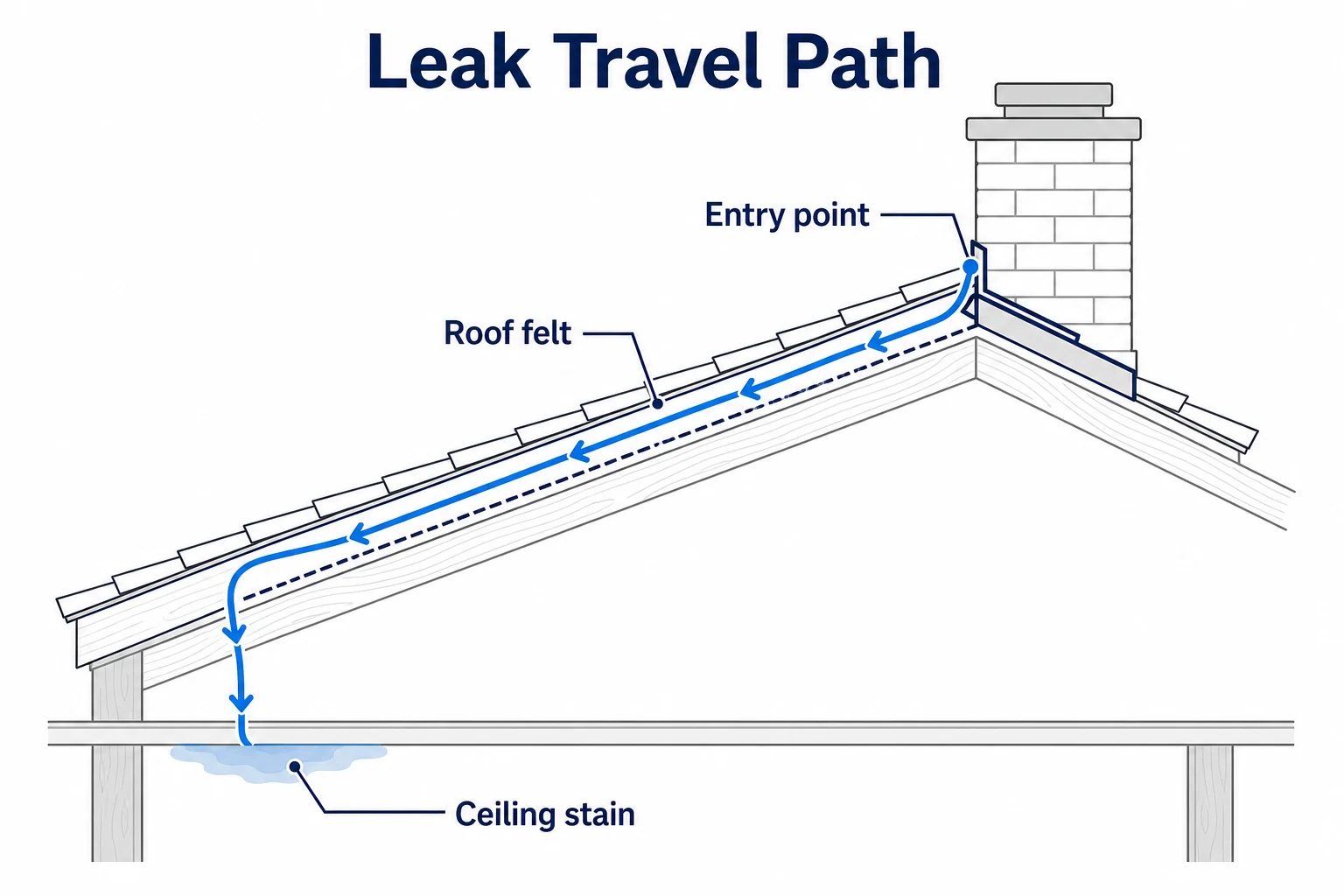
One reason chimney leaks can be confusing is that water does not always appear directly below the point where it entered. Once rain gets beneath the roof covering, it can track along felt, timber, rafters, battens or the outside of the chimney breast before showing itself somewhere else.
A small gap beside the stack may allow water to enter during wind driven rain. From there, it can run along the underside of a tile, drip onto damaged felt, follow a timber edge and finally appear as a mark on a ceiling several feet away. In a loft, it may show as dark staining on timber or damp patches near the chimney breast. In rooms below, it may appear as peeling paint, bubbling plaster or discolouration around the fireplace.
This is why guesswork often leads to repeated repairs. A visible stain tells you where the water ended up, not always where it started. A roofer will normally inspect the chimney, the surrounding roof covering, the flashings, the pointing, the roof felt and the guttering where relevant. The aim is to find the full route of the leak, not just cover the most obvious gap.
Homeowners who want to understand other early signs can also compare symptoms with warning signs that a roof may need repair, especially where damp appears after heavy rain or strong winds.
Signs the flashing may be failing
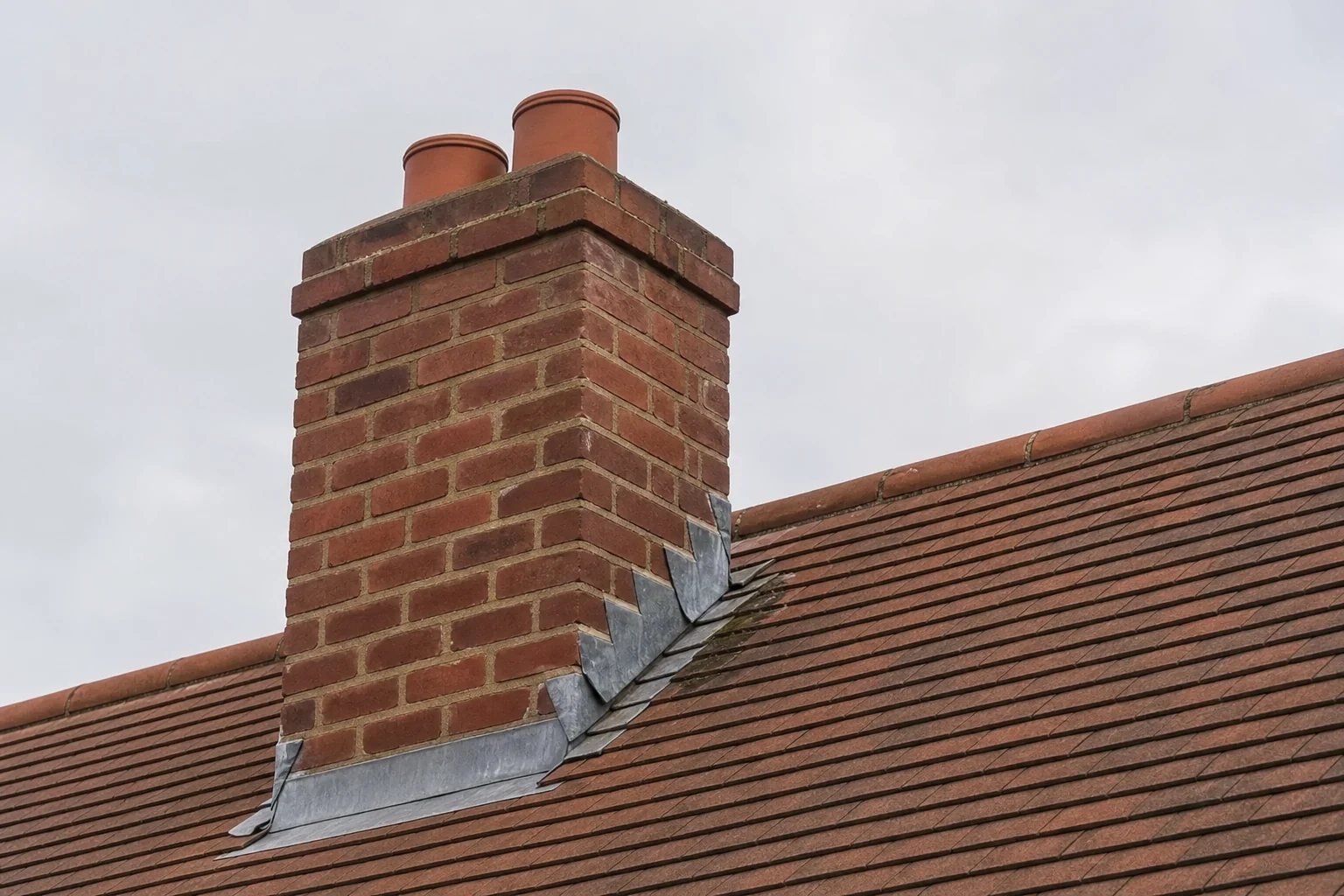
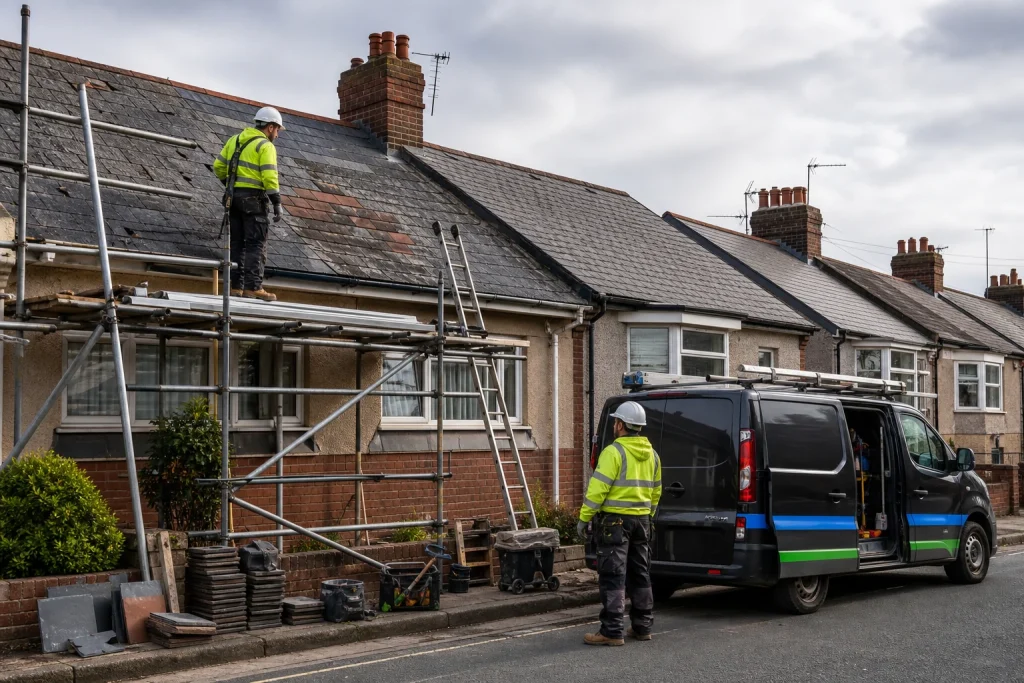
Some chimney flashing problems can be seen from ground level, but many cannot be checked safely without proper access. You should never climb onto a roof to investigate a suspected leak. Instead, look for clues from inside the home and from safe viewpoints outside.
Possible warning signs include:
- Damp staining on ceilings or walls near the chimney breast
- Water marks in the loft around the stack
- Peeling paint, bubbling plaster or staining after rain
- Loose, cracked or missing mortar around the chimney area
- Visible gaps around the base of the stack
- Slipped or damaged tiles close to the chimney
- Musty smells in rooms below the affected area
Not every sign points to flashing alone. A slipped tile, blocked gutter, cracked flaunching or damaged roof felt can produce similar symptoms. That is why a proper inspection matters. The repair needs to match the real cause, otherwise the leak can return during the next spell of bad weather.
If tiles near the stack have moved, it may also be worth reading about why roof tiles slip or fall off, as tile movement and flashing issues can sometimes appear together.
How professional repairs protect the roof
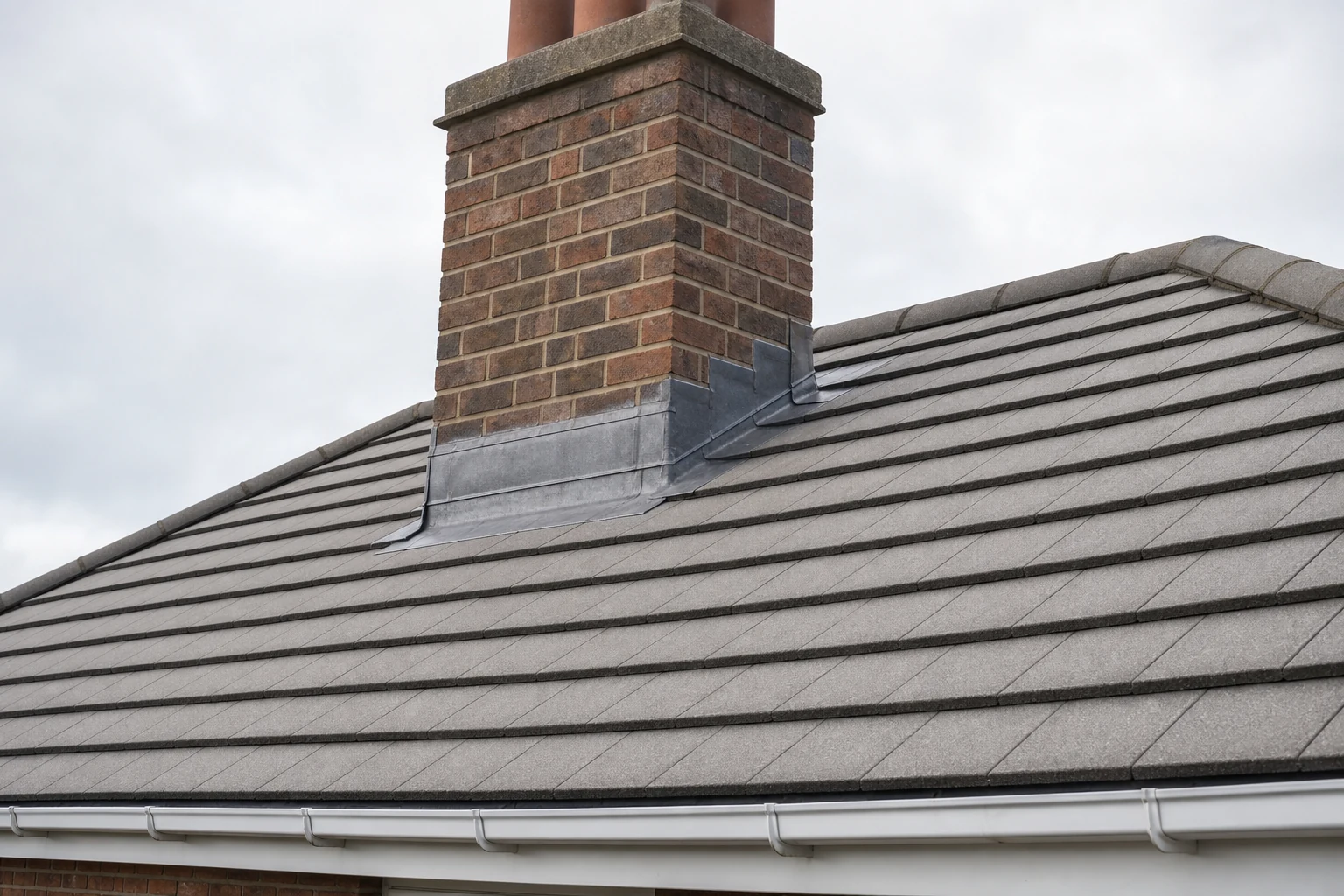
A good repair starts with diagnosis. The roofer checks how the chimney is built into the roof, how the flashing has been installed, whether the mortar is sound and whether water has affected the surrounding roof covering. Access may be needed so the area can be inspected closely and repaired properly.
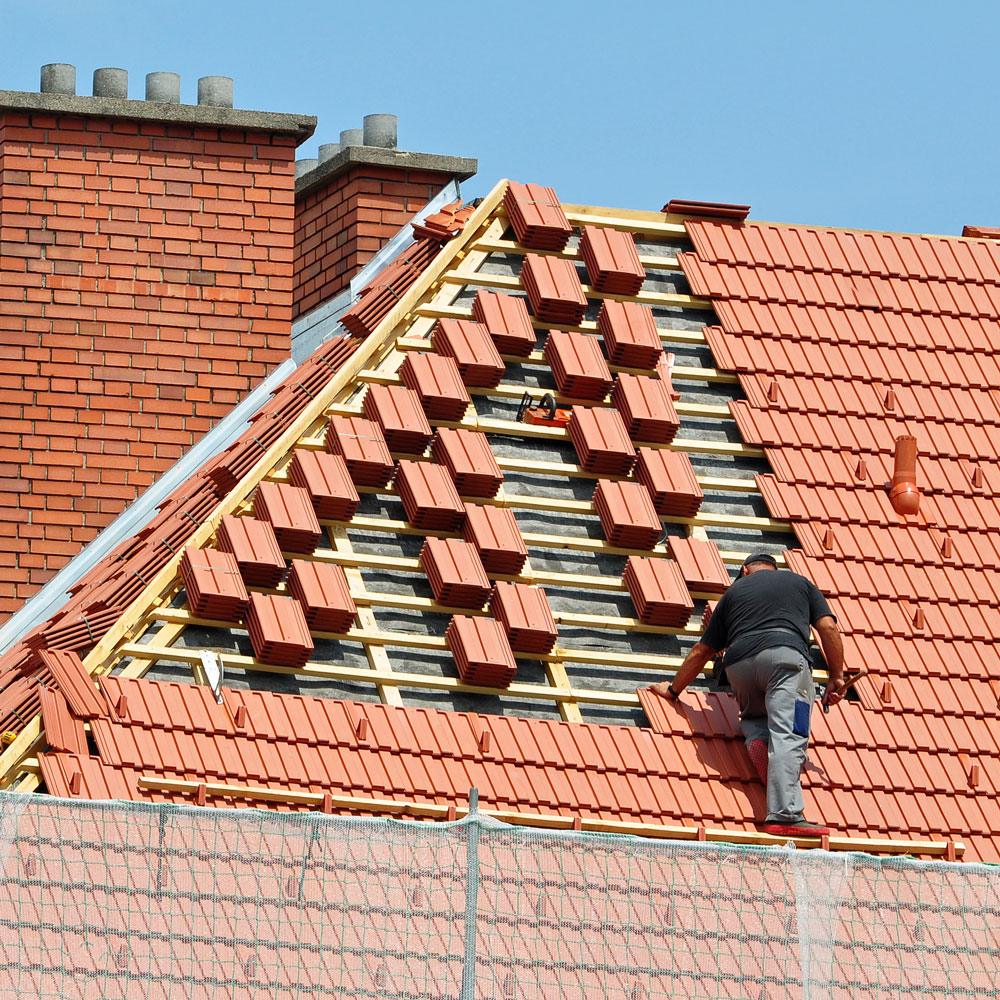
The repair itself depends on the condition of the existing materials. Loose flashing may need to be secured and redressed. Failed mortar may need careful removal and repointing. Split, badly fitted or heavily worn flashing may need replacement. Where underlay, battens or tiles around the chimney have been damaged, those materials may need attention at the same time.
The best outcome is not simply stopping the visible drip. It is restoring the weatherproof junction around the chimney so rain is directed away from the stack and back onto the roof covering as intended. That helps protect plaster, insulation, timbers and internal finishes from avoidable water damage.
Professional repairs also reduce the risk of masking a deeper issue. Sealant alone is rarely a reliable answer for a failing chimney detail. It may look neat for a short period, but if water is entering through cracked pointing, lifted lead or failing roof materials, the underlying fault still needs proper roofing work.
When repeated leaks suggest a bigger issue
Most chimney flashing faults can be repaired when the surrounding roof is in reasonable condition. However, if leaks keep returning, or if several areas of the roof are failing at once, the chimney may be only one part of a wider roofing problem.
Repeated patch repairs can point to aged roof coverings, brittle underlay, weakened battens, widespread tile movement or several failing junctions. In that situation, a roofer may still repair the chimney area, but they should also explain whether other parts of the roof are likely to need attention soon.
This does not mean every chimney leak leads to major work. Many are isolated faults. The important thing is to look at the roof as a system. Tiles, flashings, gutters, ridges, valleys, felt and masonry all work together to keep water outside. When one part fails, the surrounding parts should be checked so the repair is complete and practical.
If a roof has needed attention again and again, repeated roof repairs can sometimes point to replacement, particularly where the roof covering itself is near the end of its useful life.
- Chimney flashing protects the joint where the stack meets the roof covering.
- Leaks around chimneys often come from cracked mortar, lifted flashing, split lead or movement in nearby tiles.
- Water can travel along roof materials before it appears indoors, so the damp patch may not sit directly below the fault.
- A proper inspection should check the flashing, chimney masonry, roof tiles, underlay and nearby drainage.
- Professional repair focuses on restoring the weatherproof detail, not simply covering the visible gap.
Frequently asked questions
Can chimney flashing be repaired, or does it always need replacing?
It depends on the condition of the existing flashing. If it is sound but loose, it may be possible to secure, dress and repoint it. If it is split, badly fitted or heavily worn, replacement is usually the better repair.
Why does my chimney only leak during heavy rain?
Wind driven rain can push water into small gaps that stay dry during lighter showers. The leak may also depend on wind direction, the angle of the roof and whether water is being held near the stack.
Could the chimney be leaking even if the flashing looks fine from the ground?
Yes. Small cracks, lifted edges, failed soakers or gaps in mortar can be hard to see without close inspection. The chimney brickwork, flaunching and nearby tiles may also be involved.
Is sealant enough to stop a chimney leak?
Sealant may offer a short temporary barrier in some situations, but it is not a substitute for proper roofing repair. The cause of the leak should be identified and the flashing detail repaired correctly.
Need help with a chimney leak?
If water is getting in around a chimney, Roofer Preston can inspect the roof, trace the likely route of the leak and recommend a practical repair that protects the home properly.